Pro-Life Counselor Fights Colorado's 'Bubble Law' Limiting Free Speech
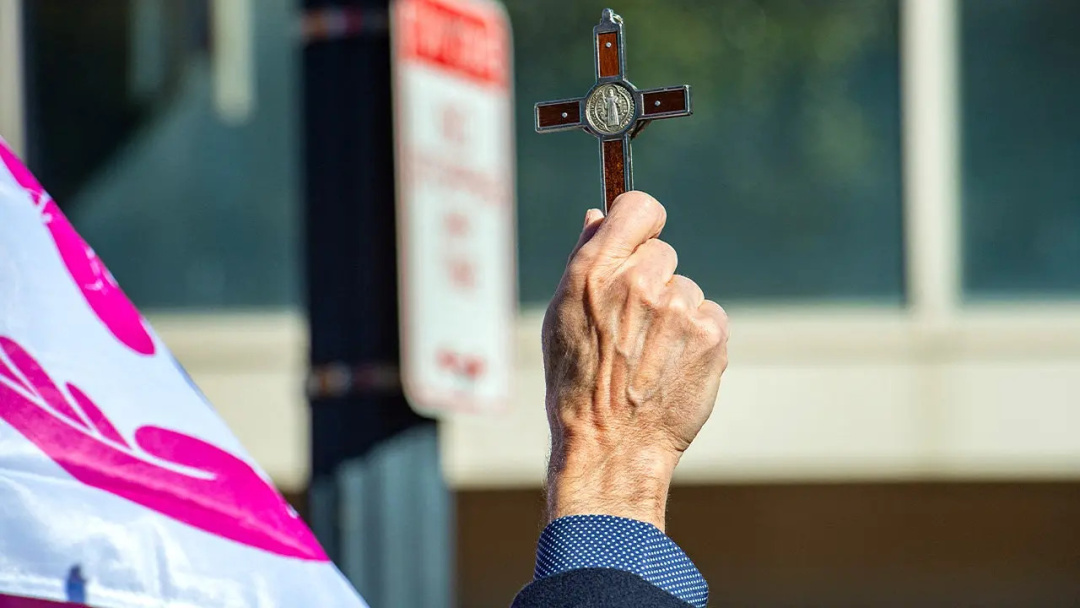
Wendy Faustin, a Colorado woman dedicated to offering alternatives to abortion outside clinics, is embroiled in a legal battle against the state's 'bubble law.' This law restricts her from approaching women within eight feet of abortion clinic entrances, effectively criminalizing her attempts to provide compassionate support and information about pregnancy resource centers and adoption options. Faustin argues that this law has transformed what should be a personal and private conversation into a legal minefield. "If you're within 100 feet of the entrance to an abortion clinic, I can't approach someone within 8 feet to give them any alternative information," she explained.
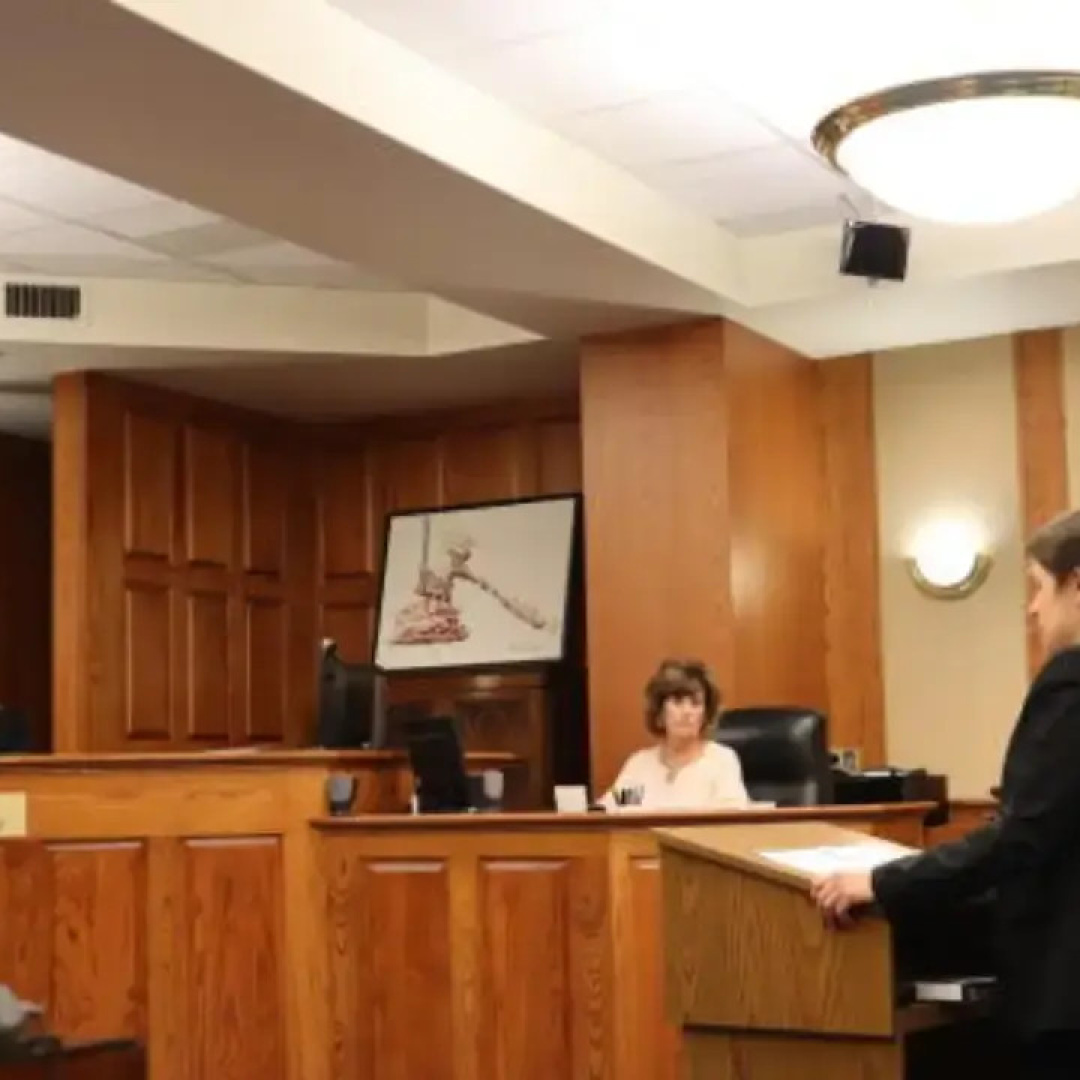
Last July, Faustin's challenge to the law was rejected by a federal judge. Currently, her case is under appeal at the U.S. Court of Appeals for the 10th Circuit. The law, which is part of a broader set of regulations governing behavior near healthcare facilities, has been criticized for infringing on First Amendment rights. Colorado's law, along with a Denver municipal ordinance, prohibits individuals from knowingly approaching within eight feet of another person without their consent to distribute literature or engage in counseling or education within 100 feet of a health care facility entrance. Violators face fines or even short jail sentences, which adds a layer of intimidation to those wishing to express their views.
Common Sense Shop
The United States of Common Sense
Amazon shopping links. Sponsor Complete!
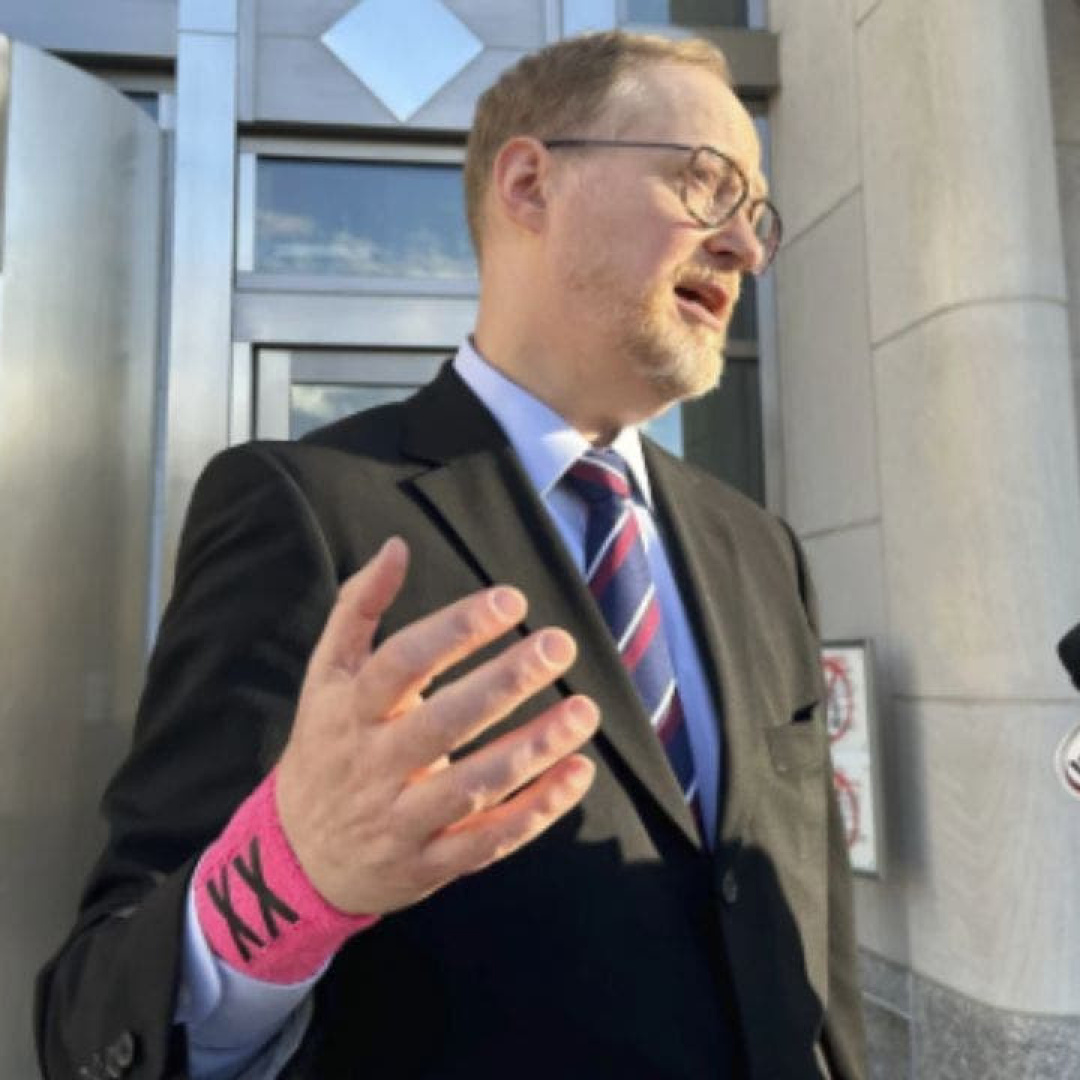
Faustin's attorney, Roger Byron of the First Liberty Institute, emphasizes that this case extends beyond abortion rights. He argues that the law creates a two-tiered system of free speech protections, one for pro-life advocates like Faustin and another for those expressing different viewpoints. Byron stated, "These laws literally make it a crime for Wendy to approach within 8 feet of a woman. These laws would be struck down immediately if they restricted anti-war protesters or union workers on strike outside of their employer's facility."
The U.S. Supreme Court previously upheld Colorado's 1993 law in its 2000 decision in Hill v. Colorado, which ruled that the restrictions did not violate the First Amendment. However, Faustin's case raises important questions about the application of these laws and their implications for free speech rights.
Advocating for Direct Communication with Women
Faustin believes that every woman facing the decision of whether to have an abortion deserves access to all possible information. She expressed her frustration, stating, "I would rather be able to just walk up to somebody, offer them alternative information, places where they can get help." The law, she argues, forces her to communicate from a distance, potentially allowing others to overhear sensitive conversations that should remain private.
The Common Sense Test
As the case awaits a decision from the 10th Circuit, the implications of the ruling could extend far beyond this single instance. Byron suspects that regardless of the outcome, the case may ultimately reach the U.S. Supreme Court, where the future of free speech rights for pro-life sidewalk counselors could be determined.
The stakes are high, not only for Faustin but for the broader implications of free speech in America. As Byron noted, "What's at stake is the free speech rights of anyone whose message is something other than what the government wants it to be." The outcome of this case could set a precedent for how similar laws are applied in the future, making it a critical moment for advocates of free speech and individual liberty.