Fifth Circuit Court Rules Against Bond Hearings for Illegal Immigrants

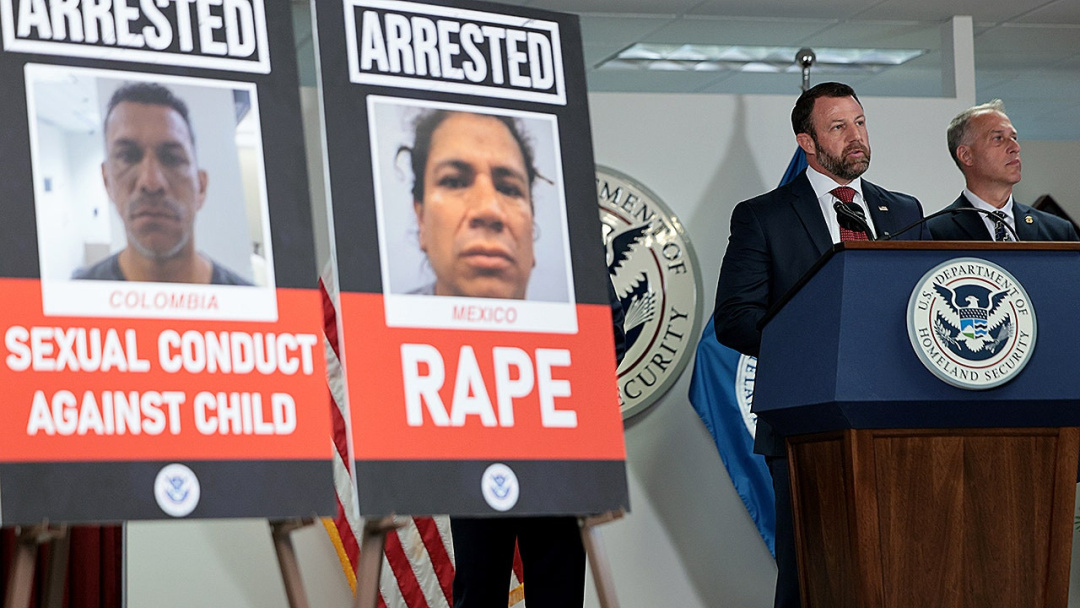
A recent ruling by the Fifth Circuit Court of Appeals has significant implications for immigration policy in the United States. The court determined that illegal immigrants detained within the country do not possess a constitutional right to a bond hearing, irrespective of how long they have resided in the U.S. This decision, rendered in a 10-7 vote, reverses a previous ruling by a lower panel and aligns with the stance of the Trump administration.
Bond hearings traditionally allow detained individuals to petition an immigration judge for release while their cases are adjudicated. However, this ruling effectively eliminates that avenue for those detained, particularly in Texas, Louisiana, and Mississippi, where judges had previously granted such hearings to challenge prolonged detention.
Common Sense Shop
The United States of Common Sense
Amazon shopping links. Sponsor Complete!
The ruling supports a policy implemented last year, which permits the government to hold immigrants arrested within the country until their deportation processes conclude, without affording them the opportunity to argue for their release. This marks a notable shift from practices of prior administrations, which often allowed non-violent migrants who were not considered flight risks to post bond and secure their release.
Judge Cory Wilson, a Trump appointee, wrote for the majority, asserting that the individuals contesting their detention were still legally seeking admission to the United States and thus were not entitled to hearings based on due-process grounds. He noted that these individuals could terminate their confinement “at any moment by agreeing to leave the country.” The case involved three men from Mexico and Honduras, all of whom have U.S.-citizen children and were apprehended by Immigration and Customs Enforcement (ICE) during traffic stops. Notably, one of these men had lived in the U.S. for over 22 years.
Judicial Perspectives on Immigration Sovereignty
In a concurring opinion, Judge James Ho emphasized the importance of national sovereignty, stating, “A nation ceases to be a nation if it can’t protect its borders.” He criticized the dissenting judges for potentially incentivizing illegal immigration by granting constitutional protections to those who enter unlawfully.
The dissenting judges contended that the ruling undermines long-term residents' constitutional protections that the Supreme Court has historically recognized. They argued that the decision could set a dangerous precedent for the treatment of immigrants in the U.S.
The Common Sense Test
James Percival, the top attorney at the Department of Homeland Security, hailed the decision as a significant victory on social media, reflecting the administration's ongoing efforts to tighten immigration enforcement. This ruling arrives just weeks before the Supreme Court is set to review a related case concerning the same detention policy. However, the Supreme Court will focus solely on whether federal immigration law mandates bond hearings, not on the constitutional question addressed by the Fifth Circuit.
The implications of this ruling are profound, as it not only affects the rights of detained immigrants but also shapes the broader landscape of immigration enforcement in the United States. As the legal battles continue, the question remains: how will this decision influence future immigration policies and the treatment of those seeking to enter the country?