Reviving Rural Food Access Through Regulatory Reforms
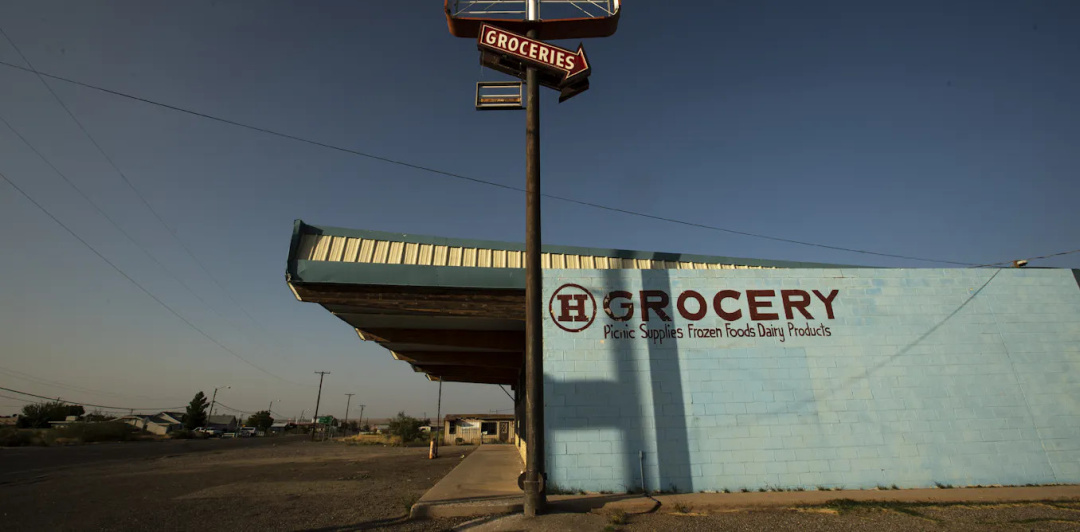
In rural America, the quest for fresh groceries often requires a two-hour round trip, making access to healthy food a luxury rather than a standard. As a food systems researcher, I witness the growing food insecurity firsthand; it increased from 12% in 2019 to nearly 16% in 2024, as reported by the U.S. Department of Agriculture. While low income is a significant factor, supply chain logistics also play a crucial role, as delivering groceries to rural areas is costlier, leading to higher prices and diminished access for consumers.
Perishable items such as produce, meat, and dairy require refrigerated transport, which is among the most expensive to distribute. The logistics of rural routes further inflate these costs. Small stores, often unable to fill a truckload on their own, either face long, multi-stop delivery routes or receive trucks that are only partially filled. Consequently, many national supply chains have deprioritized rural communities.
Common Sense Shop
The United States of Common Sense
Amazon shopping links. Sponsor Complete!
Historically, this was not the case. The Motor Carrier Act of 1935 mandated that licensed trucking companies serve specific regions, ensuring that both rural and urban areas received necessary services. In exchange for regional operating licenses, trucking companies offset the less profitable rural routes with higher margins from city-to-city deliveries, thereby integrating rural communities into broader supply chains. The subsequent Robinson-Patman Act of 1936 prohibited wholesale suppliers from offering better prices or exclusive deals to larger grocers, thereby discouraging the consolidation of grocery chains.
These laws fostered regional economies and maintained a balance in food distribution, allowing small-town grocers in 1950 to offer similar products as their urban counterparts. However, enforcement of the Robinson-Patman Act waned in the 1970s, leading to deregulation that favored larger grocery chains. The 1980 Motor Carrier Act further removed the requirement for trucking companies to serve rural areas, resulting in a decline in service as companies shifted focus to more profitable urban routes.
As grocery chains have consolidated, rural access to essential foods has diminished. Research indicates that national distributors are underserving states like West Virginia, Arizona, Texas, Michigan, North Dakota, South Dakota, and Montana in terms of refrigerated meat and dairy distribution. In Wisconsin, for instance, national distributors deliver less than 9.2 pounds of leafy greens per person annually in many counties, far below the typical American consumption of 30 to 35 pounds.
The Role of Independent Retailers in Rural Markets
Independent retailers play a vital role in rural grocery markets, operating over half of rural stores and accounting for 38% of food sales. Some have formed distribution co-ops to mitigate supply chain costs, but these efforts alone cannot resolve the fundamental issues. A notable example is the merger of two cooperative distributors, which were subsequently acquired by a private equity firm and then Kroger, one of the largest grocery chains. This acquisition led to the cessation of supplies to independent stores, further diminishing competition in rural food distribution.
Under the Biden administration, the Federal Trade Commission has revived enforcement of the Robinson-Patman Act and other antitrust laws to protect independent businesses from monopolistic practices. Recent actions include blocking a merger between Kroger and Albertsons and suing Southern Glazer’s for allegedly providing deep discounts to national chains, disadvantaging smaller retailers.
The Common Sense Test
To improve rural food access, enforcing the Robinson-Patman Act and revisiting food distribution policies like the Motor Carrier Act are essential. By reinstating rural delivery as a licensing requirement, we could enhance food access for underserved communities. However, the Trump administration's decision to cease collecting food security data in 2025 complicates efforts to assess the situation in rural America moving forward. Meanwhile, public funding for monitoring food systems continues to decline, leaving researchers without critical data.
Globally, other nations are addressing similar challenges; for instance, Canada announced a 10-year food security strategy worth 3.2 billion Canadian dollars, aimed at aiding independent grocers and improving food distribution networks. Large regions in the U.S. could greatly benefit from a similar approach, ensuring that fresh food is accessible to all Americans, regardless of their location.