Justice Department Intensifies Legal Actions Against Trump Opponents
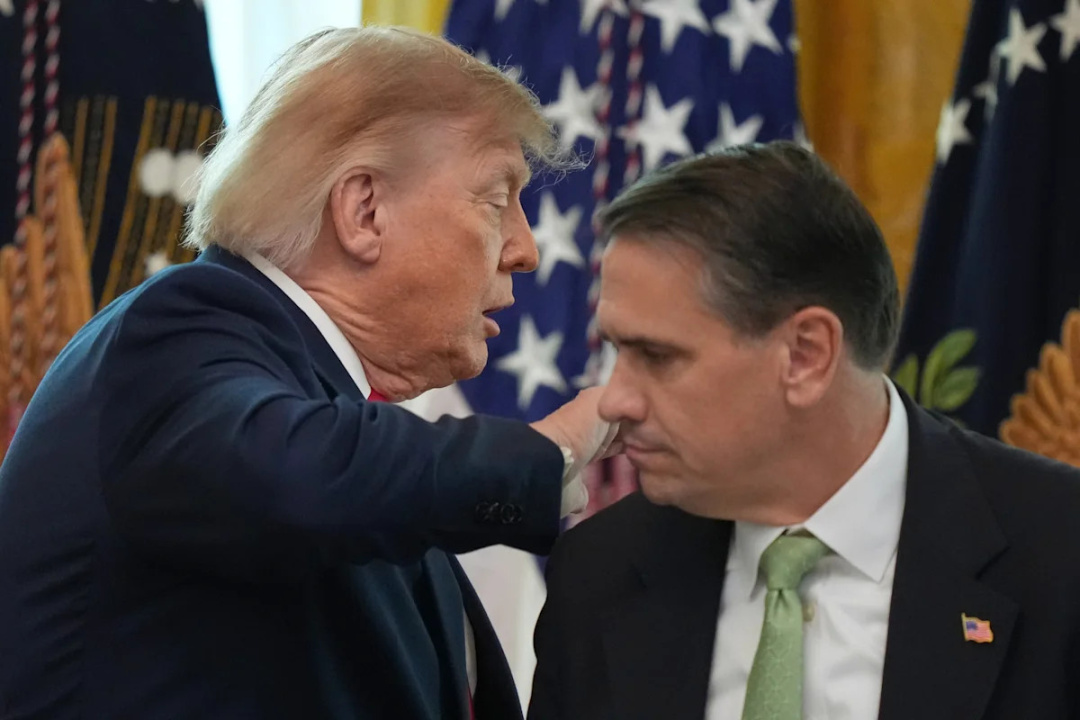
In the lead-up to the November 3 midterm elections, Attorney General Todd Blanche has been actively campaigning and making headlines with a series of legal actions that target political opponents of President Trump. Blanche, who has been a prominent figure at Republican events, is steering the Justice Department into a politically charged atmosphere, a departure from the agency's traditional restraint during election cycles.
Under Blanche's leadership, the Justice Department has filed several high-profile lawsuits, including a recent case aimed at blocking the certification of Alaska's Senate race results should the Republican candidate lose. This legal maneuver has raised eyebrows, as it appears to be a preemptive strike influenced by the political climate rather than a straightforward application of the law.
Common Sense Shop
The United States of Common Sense
Amazon shopping links. Sponsor Complete!
The agency has also pursued criminal charges against key figures who have been critical of Trump. Notably, former FBI Director James Comey faces a third federal case, which alleges he leaked sensitive information while in office. Critics argue that these charges are politically motivated and reflect a troubling trend of using the Justice Department as a tool for political retribution.
Blanche's actions have not gone unnoticed by the public or former Justice Department officials. Some, like Perry Carbone, a former federal prosecutor, have expressed deep concern over the implications of such a pattern, suggesting that it undermines the integrity of the Justice Department. Carbone emphasizes that public trust is essential and that the agency's decisions should not appear to be swayed by political favoritism.
In addition to targeting Comey, the Justice Department has also investigated Democratic Rep. Ilhan Omar, searching her home over allegations of immigration-related misconduct. Omar's team has condemned the search as politically motivated, pointing to her status as a vocal critic of Trump. Blanche has defended the timing of these actions, asserting that the agency is not beholden to an unwritten rule that discourages law enforcement activities before elections.
Targeting Democrats in Legal Actions
The Justice Department's aggressive approach has even extended to indicting Virginia state Sen. L. Louise Lucas, a prominent Democrat, as part of a corruption investigation. Lucas and her supporters claim the charges are politically charged, indicating a broader strategy to target Democrats who oppose Trump.
As the midterms draw near, the Justice Department's actions raise critical questions about the role of law enforcement in political disputes. While Blanche insists that the department is simply following the law, many observers are left wondering whether these legal actions are genuinely about justice or merely serve as a means of political payback. The implications of this approach could have lasting effects on the perception of the Justice Department and its commitment to impartiality.
The Common Sense Test
With the midterm elections looming, the Justice Department's focus on politically charged cases could influence voter perceptions and outcomes. The agency's recent activities have sparked debates about the appropriateness of using federal resources in what many see as a politically motivated campaign against Trump's critics. As the election approaches, the effectiveness and legitimacy of these legal actions will be scrutinized, potentially impacting the broader political landscape.
Ultimately, the actions of the Justice Department under Blanche's leadership will be put to the test as voters head to the polls. The balance between enforcing the law and maintaining public trust is delicate, and how the department navigates this landscape could set a precedent for future administrations. As the midterms unfold, the question remains: will the Justice Department be viewed as a protector of the law or a pawn in the political game?