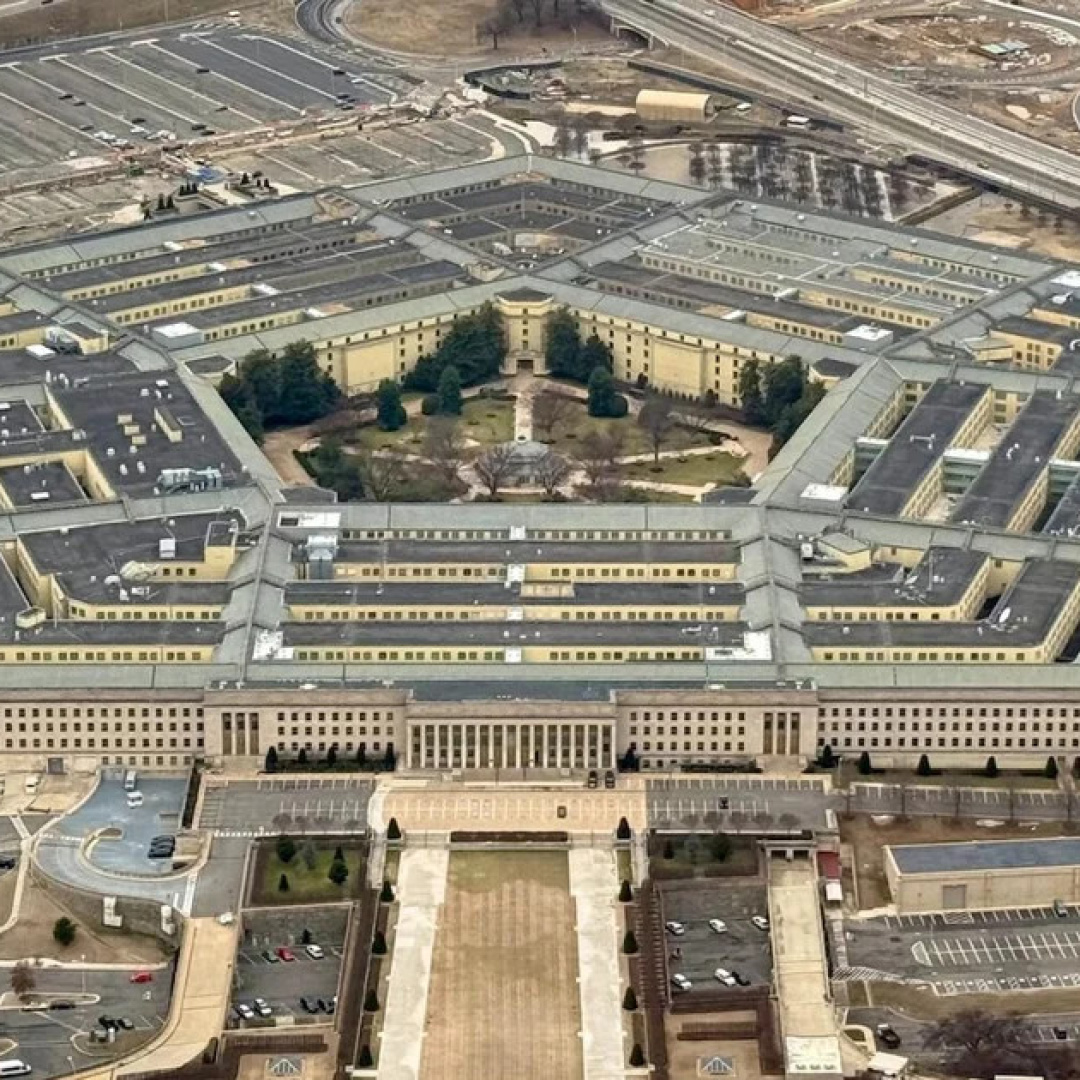
Defense Secretary Hegseth's Pentagon Reshuffle Raises Concerns
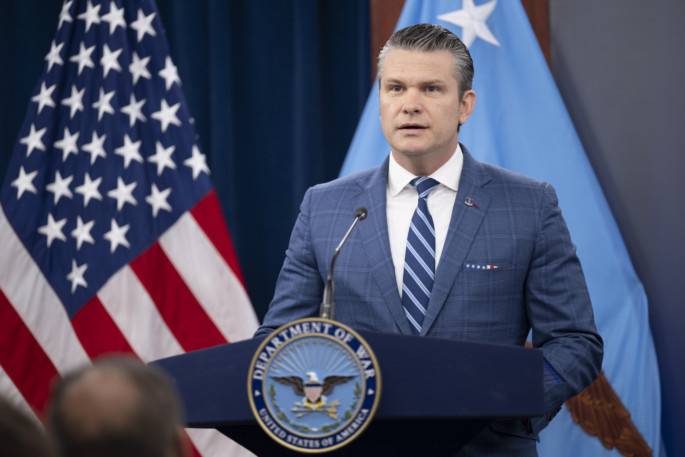
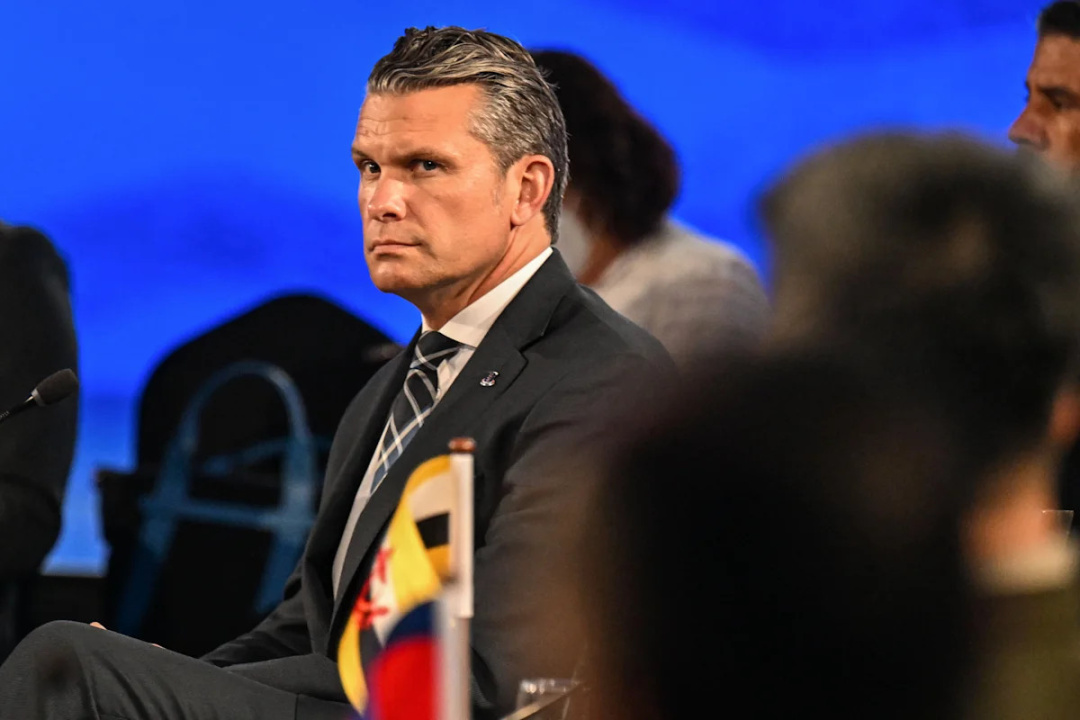
In a significant move, Defense Secretary Pete Hegseth has dismissed Army Lt. Gen. Brett Sylvia from his role as director for strategy, plans, and policy on the Joint Staff. This decision is part of a larger reshuffle at the Pentagon, which has seen numerous senior military and civilian officials removed from their posts. Sylvia's ousting follows the forced retirement of his predecessor and is reportedly connected to allegations of leaks and failed polygraphs, although public accounts vary regarding the specifics of these allegations.
The implications of this reshuffle extend beyond personnel changes; it may signal instability within Hegseth's leadership at the Pentagon. Observers are closely watching how these developments will affect market confidence and Hegseth's future as Secretary of Defense. The ongoing changes could lead to further scrutiny of Hegseth's ability to maintain order and direction within the military hierarchy.
Common Sense Shop
The United States of Common Sense
Amazon shopping links. Sponsor Complete!
Market participants are particularly attentive to any forthcoming announcements from the Pentagon or the White House that might further clarify Hegseth's standing. Key indicators to watch will include public statements from President Trump or other senior administration officials regarding their confidence in Hegseth's leadership. Additionally, reports of further internal dynamics or additional departures could provide crucial insights into the potential for Hegseth's removal by the end of the year.
Implications for U.S. Military Policy
The broader context of this reshuffle raises important questions about the direction of U.S. military policy and the administration's approach to national security. As the Pentagon navigates these changes, the focus will remain on how they will influence military readiness and the overall effectiveness of defense strategies.
The Common Sense Test
As the reshuffle unfolds, the potential impact on military readiness cannot be overlooked. The removal of seasoned leaders like Lt. Gen. Sylvia may disrupt established strategies and policies, leading to uncertainty within the ranks. Such instability can have far-reaching consequences, particularly as the United States faces various global threats. Hegseth's ability to stabilize the situation and restore confidence among military personnel will be critical in the coming months.
In conclusion, the recent changes at the Pentagon under Hegseth's leadership are significant and warrant close attention. The outcomes of these personnel shifts could shape the future of U.S. defense policy and military operations. The administration's handling of these developments will be scrutinized, particularly in light of the ongoing challenges facing the nation on the global stage.