California Charter School Rejects Religious Materials for Homeschooling
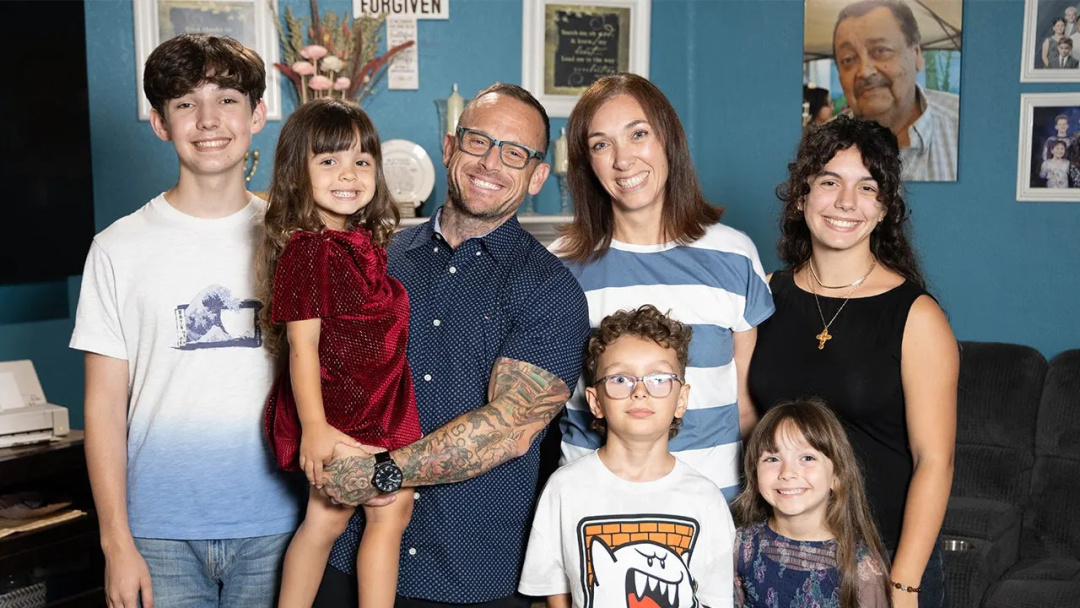
John Woolard, a California father of five, has shared his family's troubling experience with a public charter school that rejected homeschooling materials referencing God or faith, even when these materials met state academic standards. This rejection has forced the Woolard family to pay out of pocket for educational resources that other parents could access with public funds.
Initially, Woolard and his wife found no issues with the public charter school program that allowed them to educate their children at home. However, they soon discovered that their curriculum choices were being scrutinized for religious content. "Any book or curriculum purchase that we wanted to make that referenced God or faith in even, like, an adjacent sort of way was being denied," Woolard recounted.
Common Sense Shop
The United States of Common Sense
Amazon shopping links. Sponsor Complete!
He described the situation as a "publisher blacklist," noting that the restrictions extended beyond explicitly Christian instructional materials. For instance, he faced difficulties with books discussing the religious beliefs of America's Founding Fathers. "You would think that that would be something that would be non-controversial, but those curriculum choices would be denied," he said.
For Woolard, this dispute transcends mere religious expression. As a father of five, he views the charter school program as a cost-effective means to tailor the curriculum to each child's individual needs. However, when the school rejected certain curriculum purchases, his family was left to cover those costs themselves. "If our curriculum choices are denied, then we have to pay for those resources. We have to pay for those curriculum choices out of pocket," he explained.
Concerns Over Discrimination in Education Choices
Woolard pressed school officials for clarification on why the materials were being rejected, inquiring whether the curriculum met California's standards and whether it was academically rigorous enough. He claims that officials confirmed both criteria were met, leading him to conclude that the only objection was the religious component of the materials. "What that tells me is that equality only extends as far as what the government approves," he remarked.
Stephanie Taub, senior counsel with First Liberty Institute, characterized the charter school's policy as discriminatory toward families seeking a faith-based education. She stated, "What we're asking here is California has a policy that singles out parents who want to give their children a faith-based education, and it excludes them from homeschooling benefits that would otherwise be available."
The Common Sense Test
The Woolards are challenging this policy in court, hoping for a favorable ruling that could lead to significant changes for families in California seeking similar educational options. Woolard expressed his hope that the Supreme Court will ultimately correct what he sees as a misstep by California. He believes such a ruling could open the door for many families seeking faith-based education options in the state.
Taub noted that the Supreme Court is currently considering whether to take up the case and that a decision on whether the justices will review it is expected soon. This case highlights the ongoing tensions between educational policy and religious freedom in America, raising important questions about parental rights and the role of government in education.