Economic Insecurity and Authoritarianism: Insights from Isabella Weber
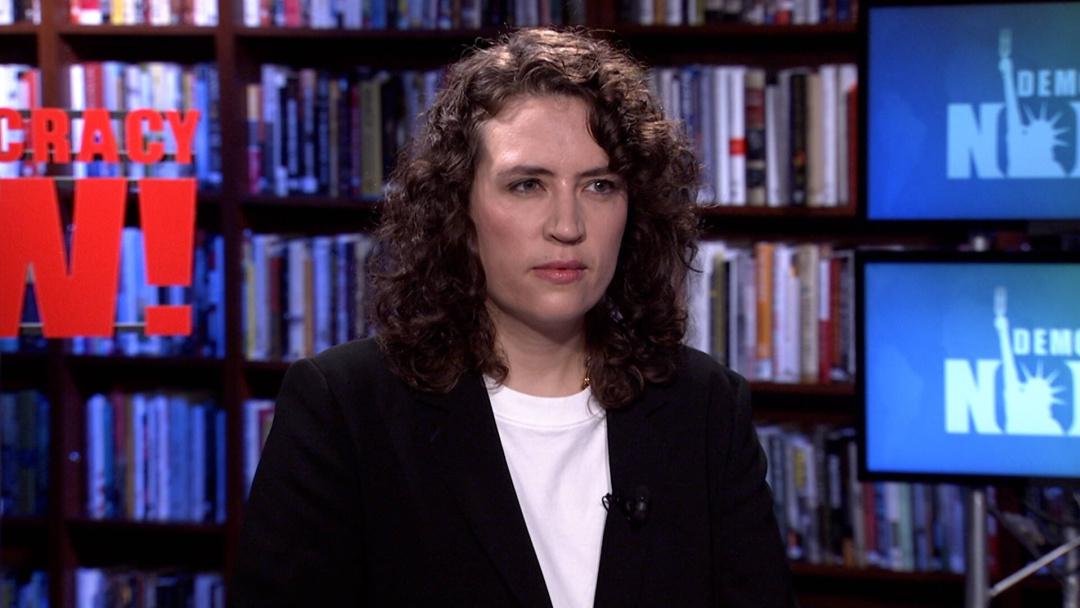
With the U.S. midterm elections just around the corner, the issue of affordability has taken center stage, as families grapple with rising costs of living. Economist Isabella Weber, in her book "Anti-Fascist Economics: In Defense of Affordability, Dignity, and Democracy," warns that economic insecurity can lead to the rise of authoritarian movements. She argues that to safeguard democracy, it is crucial to ensure that life remains affordable for everyone.
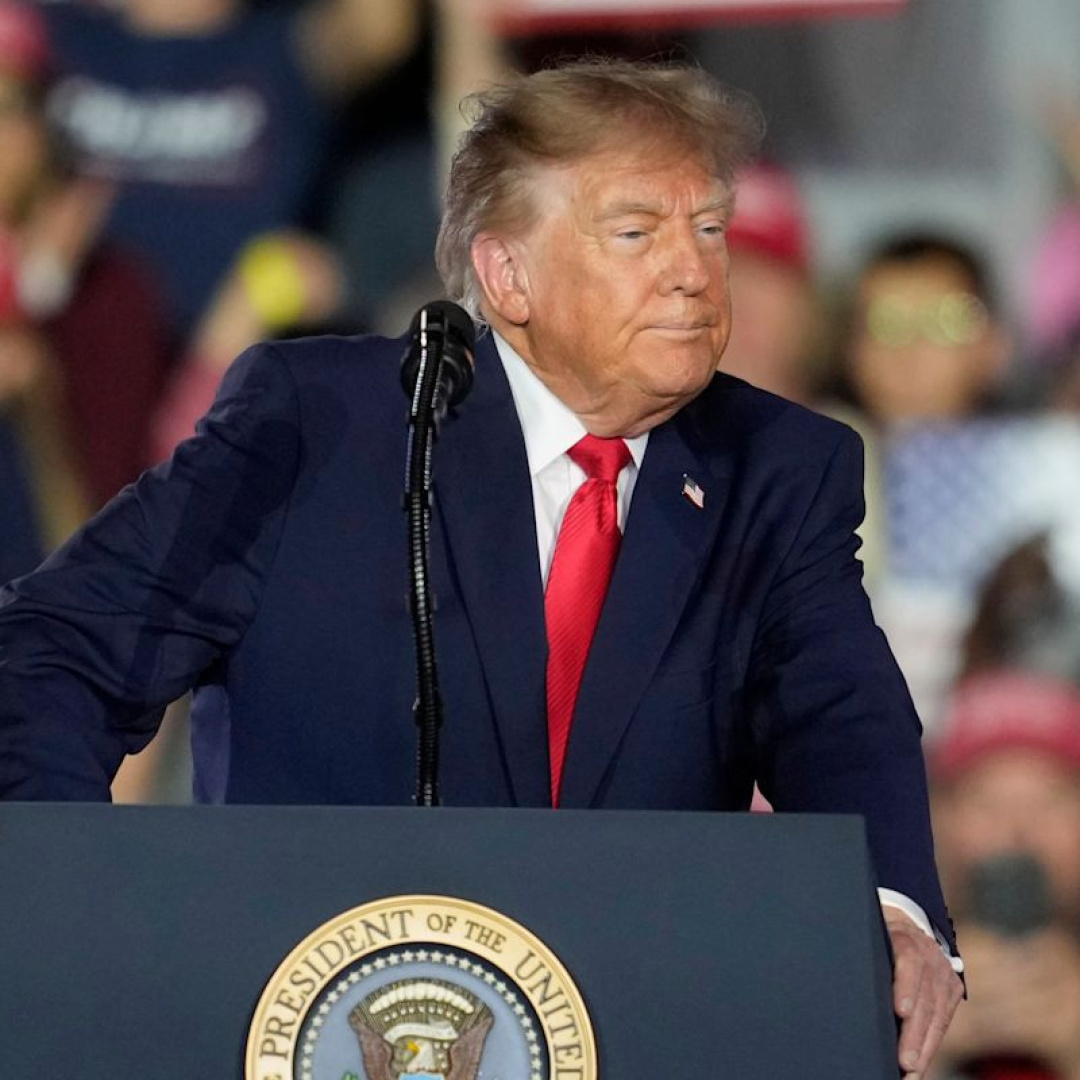
Weber's analysis arrives at a critical time, as voters express frustration over the increasing prices of groceries, housing, and gasoline. Data from the Bureau of Labor Statistics indicates that workers' wages have not kept pace with inflation, intensifying the affordability crisis. President Trump has attributed the inflation to previous administrations while defending his record, claiming he is working to lower prices. However, Weber contends that his tariffs and foreign policy decisions, particularly regarding Iran, have contributed to the economic challenges facing American families.
Common Sense Shop
The United States of Common Sense
Amazon shopping links. Sponsor Complete!
In her book, Weber emphasizes that anti-fascist economics is not about dismantling the market but about ensuring that public entities operate in a way that benefits the populace. She cites examples from various cities, including New York City and Mexico City, where governments have implemented policies to make essential goods more affordable. By promoting public accountability and limiting excessive profits in essential sectors, Weber argues that it is possible to create a more equitable economic landscape.
Weber points out that the current economic shocks, such as rising oil prices, disproportionately affect ordinary Americans while simultaneously enriching the wealthiest. She notes that while oil prices have surged, profits in the petroleum industry have skyrocketed. This disparity highlights the need for government intervention to protect citizens from the volatility of the market and to ensure that basic necessities remain accessible.
Addressing Economic Inequality
To combat these issues, Weber advocates for policies that establish price ceilings on essential goods and services. For instance, she suggests implementing a price ceiling for fuel and a price floor for the fossil fuel industry to stabilize costs. These measures, she argues, would provide immediate relief to struggling families while allowing for longer-term investments in renewable energy.
Weber also discusses the importance of public control over essential services, arguing that democracy is threatened when private entities hold too much power over critical resources. She references historical lessons from the 1940s, emphasizing that the essentials of life—such as food, water, and energy—should not be left solely in the hands of private corporations. Instead, she calls for a system where government plays a proactive role in ensuring affordability and accessibility.
As the conversation around affordability continues to evolve, it is clear that the stakes are high. Economic insecurity not only impacts individual families but also poses a significant threat to the democratic fabric of society. Weber's insights serve as a reminder that addressing these issues is not just an economic necessity but a fundamental democratic obligation.
The Common Sense Test
In conclusion, Weber's arguments underscore the critical intersection of economic policy and democratic integrity. As the midterm elections approach, it is imperative for voters to consider how candidates plan to address the affordability crisis and the broader implications of their economic policies. The future of democracy may very well depend on the choices made in the coming weeks, as citizens demand accountability and action from their leaders to ensure a stable and equitable economic future.