Brazil's Lula Implements Sweeping Censorship to Combat Electoral Harassment

The Brazilian government, led by recently reelected socialist President Luiz Inácio Lula da Silva, has announced a sweeping series of censorship measures targeting what it describes as "electoral harassment" in workplaces. These new policies grant Brazilian institutions the authority to demand the removal of political content from social media that is considered to constitute harassment or discrimination against workers.
The announcement follows Lula's victory over conservative Senator Flávio Bolsonaro in the October 25 runoff election. According to the Lula administration, numerous complaints have been received from citizens alleging threats of dismissal and pressure at work due to their political affiliations. The government claims these complaints began surfacing as early as the election day itself.
Common Sense Shop
The United States of Common Sense
Amazon shopping links. Sponsor Complete!
In a statement, the Brazilian government asserted, "These measures aim to protect workers’ freedom of political choice and hold employers accountable for discriminatory practices." The policies were developed by a task force that includes various government bodies, such as the Labor and Employment Ministry and the Electoral Prosecutor’s Office. Among the measures is the ability to order the removal of websites and social media content that the government deems to promote persecution or discrimination for political reasons.
However, the government has not clearly defined what types of content would violate these new policies. Notably, major tech companies like Google and Meta have been specifically mentioned as targets for takedown notifications under this framework. Lívia Andrade, the national attorney for labor and employment, indicated that the government plans to pursue further legal actions against these platforms, citing a significant increase in harassment complaints during the post-electoral period.
In his victory speech, Lula expressed a commitment to regulating social media platforms to combat what he perceives as external interference in political discourse. He stated, "It is not possible for people not to be aware that crime in the digital world needs to be treated as crime in real life."
Legal Actions Against Electoral Discrimination
The Superior Labor Court has already acted on these measures, granting a preliminary injunction against Meta, which requires the company to remove posts that encourage dismissal based on voting behavior within a 24-hour timeframe. Furthermore, Meta's platforms are mandated to display notices about the prohibition of discrimination based on political beliefs for a specified duration.
Labor Minister Luiz Marinho announced plans to compile a list of employers implicated in discriminatory practices related to electoral harassment. Entities found guilty could face severe penalties, including the suspension of loans. The Ministry has also launched a website for workers to report harassment incidents related to their political views.
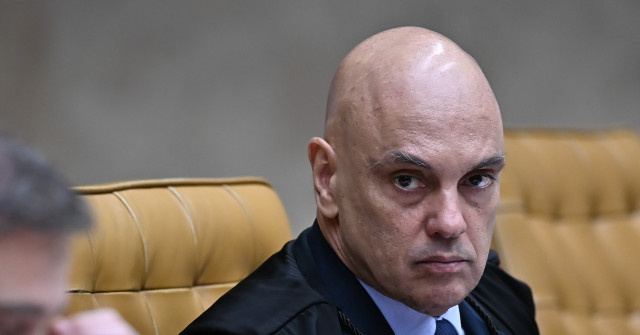
The head of the Superior Labor Court, Justice Vieira de Mello Filho, emphasized that those engaging in politically motivated harassment could face drastic consequences, including restrictions on corporate financing and potential inclusion on a blacklist of offenders. He affirmed, "Everyone is guaranteed the right to vote freely. No one is obligated to follow anyone else’s instructions."
The Common Sense Test
Additionally, the government plans to conduct an awareness campaign to educate workers about their rights and the process for filing complaints regarding harassment. This initiative will utilize the Digital Employment Card, a government-managed application, to facilitate reporting and guide labor inspectors in identifying violations.
The implications of these censorship measures are significant, raising concerns about the balance between protecting workers and infringing upon free speech rights. As Brazil navigates this contentious landscape, the effectiveness and fairness of these policies will be closely scrutinized.