Texas Tech's Censorship Policies Threaten Academic Freedom
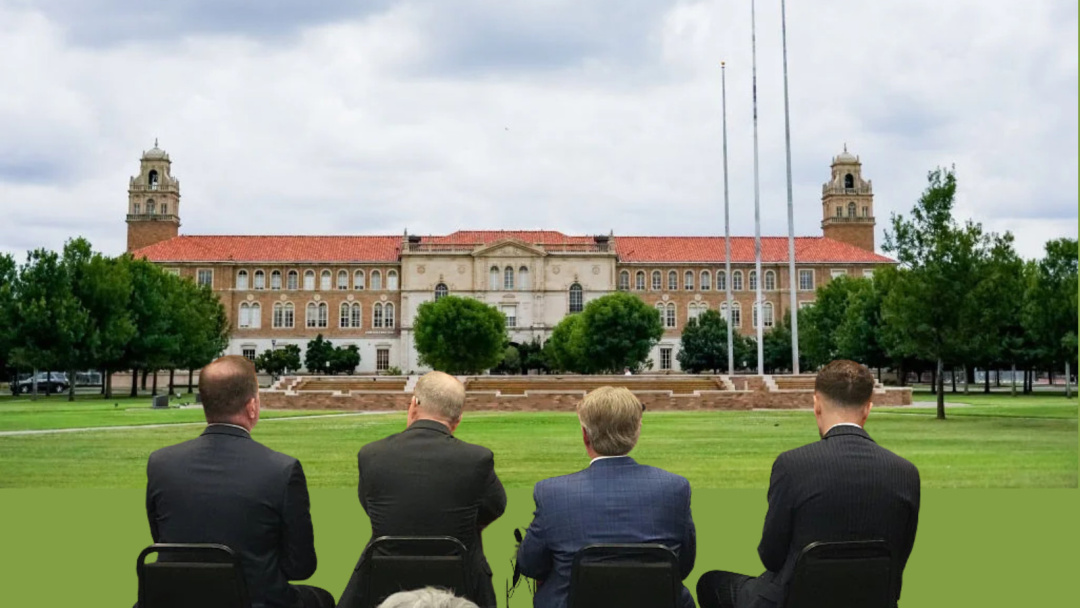
At Texas Tech University, a significant shift is occurring in the landscape of higher education, as the institution becomes a testing ground for state-led censorship. Under the leadership of Chancellor Brandon Creighton, a former Texas state senator known for his anti-DEI initiatives and restrictive measures against LGBTQIA+ rights, the university has adopted a model that places increased political oversight over academic content. This model seeks to restrict the teaching of gender and sexuality, effectively shaping the educational environment to align with specific political ideologies.
The implications of these policies are profound, as faculty members are now required to disclose their course content related to gender and sexuality for review by the Board of Regents. This process has escalated into a broad prohibition on teaching materials that involve gender identity or sexual orientation, with only narrow exceptions. Moreover, there are directives to phase out academic programs focused on these subjects and to restrict graduate theses and dissertations in these areas, raising alarms about the erosion of academic freedom.
Common Sense Shop
The United States of Common Sense
Amazon shopping links. Sponsor Complete!
Faculty, students, and staff are not passively accepting these restrictions; they are actively challenging them in federal court, arguing that these measures violate constitutional protections for free speech and academic inquiry. The stakes are high, as the outcome of this legal battle could set a precedent for how universities across the nation approach academic freedom and censorship.
The recent developments at Texas Tech highlight a concerning trend in higher education where coercive governance is being normalized. Faculty members are finding themselves in a position where compliance with censorship is a condition of their employment. The university's new compliance portal requires faculty to certify that their course content adheres to the imposed restrictions, effectively forcing them to participate in a system that undermines their academic rights.
The Threat to Academic Discourse
This situation serves as a warning about the future of higher education in the United States. If public universities can mandate compliance with censorship as a condition of employment, the very essence of academic freedom is at risk. The targeted subjects are not peripheral; they are central to understanding various aspects of human experience, including literature, history, and social dynamics. By banning discussions on gender and sexuality, the state is not just censoring current discourse but is also attempting to dictate the future of scholarship and knowledge.
The Common Sense Test
As the legal challenges unfold, it is crucial for educators, students, and the broader community to recognize the implications of these policies. The situation at Texas Tech is not an isolated incident; it represents a potential blueprint for similar measures across the country. The need for collective action through faculty governance, unions, and public pressure is more pressing than ever to safeguard academic freedom and resist the encroachment of political control in education.
The developments at Texas Tech University underscore a critical moment for academic institutions in America. As faculty members navigate the complexities of compliance under duress, it is essential to question the legitimacy of such restrictions. The fight for academic freedom is not merely about protecting specific subjects; it is about preserving the integrity of education itself. If the current trajectory continues unchecked, we may witness a future where academic inquiry is dictated by political agendas rather than scholarly pursuit. It is imperative that all stakeholders in higher education unite to ensure that the principles of free speech and academic freedom remain intact, allowing for a diverse and robust educational environment that fosters critical thinking and open dialogue.