Hegseth Dismisses Pentagon's Top Military Planner Amid Leak Allegations
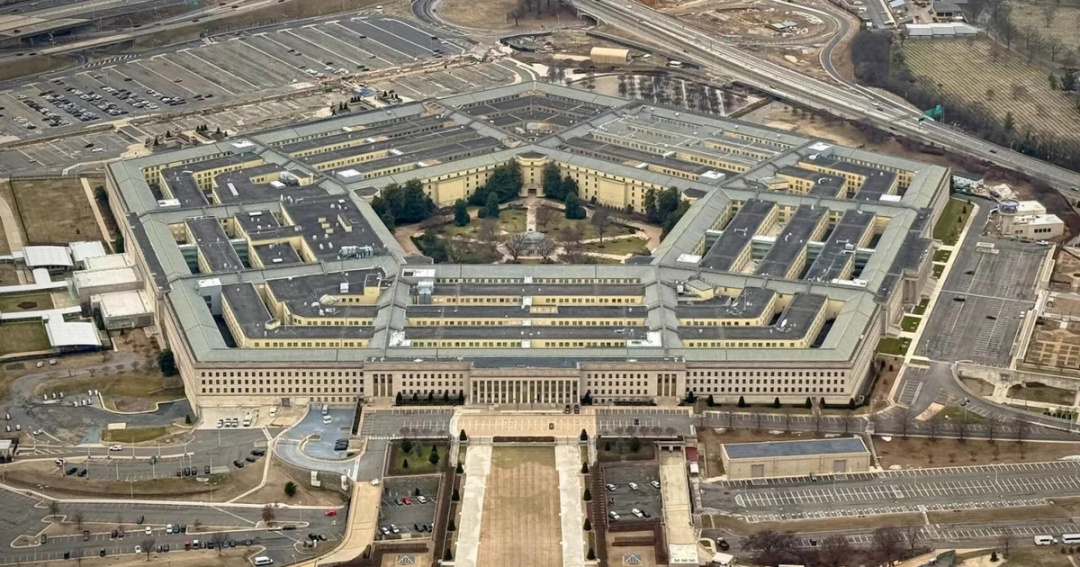
Defense Secretary Pete Hegseth has taken decisive action by firing Army Lt. Gen. Brett Sylvia, the Pentagon's top military planner, amid serious allegations of misconduct. According to sources who spoke to CBS News, Sylvia is accused of leaking classified information pertaining to both the Iran war and the ongoing conflict in Ukraine. This move underscores Hegseth's commitment to rooting out leaks within the Pentagon, a priority he has emphasized since taking office.
The allegations against Sylvia are particularly troubling, as he reportedly failed three polygraph tests regarding his interactions with the press. A Pentagon official, speaking on condition of anonymity, confirmed that these failures were a significant factor in the decision to terminate his position. The case has now been referred to the Department of Justice, indicating the seriousness of the allegations and the potential for legal repercussions.
Common Sense Shop
The United States of Common Sense
Amazon shopping links. Sponsor Complete!
Two additional Pentagon sources corroborated the information regarding the polygraph tests but disputed the validity of the allegations against Sylvia. This contradiction raises questions about the internal dynamics at the Pentagon and the processes surrounding personnel decisions. Hegseth has made it clear that he intends to hold high-ranking officials accountable for any breaches of trust, particularly those that involve sensitive national security information.
In a statement, Pentagon spokesperson Sean Parnell did not mention Sylvia by name but indicated that the decision was made following an extensive investigation by the Air Force Office of Special Investigations (OSI). Parnell emphasized that leaking classified information is a serious violation of trust and that the Pentagon is committed to protecting sensitive information. He stated, "Our commitment was not an empty promise. We vowed to find you, and we meant it."
Sylvia's removal is significant not only because of the allegations but also due to his role in coordinating military strategies related to Iran. As the head of strategy, plans, and policy on the Joint Staff, Sylvia was instrumental in formulating the U.S. approach to the Iran conflict. His dismissal marks the second time during Hegseth's tenure that a general has been removed from a J5 position, which focuses on long-term planning related to military engagements. His predecessor, Lt. Gen. Joseph McGee, was forced to retire in October 2025, highlighting a pattern of personnel changes at the top levels of military planning.
Implications of Leadership Changes in Military Strategy
As Hegseth navigates these turbulent waters, the implications of Sylvia's firing extend beyond personnel management. The timing coincides with President Trump's considerations regarding military action against Iran, particularly following the upcoming midterm elections on November 3. This context adds a layer of complexity to the situation, as the administration grapples with both strategic military decisions and internal accountability.
In a curious turn of events, after initially expressing gratitude for Sylvia's years of service, a spokesperson for the Joint Staff later retracted that statement, suggesting that it did not adequately reflect the circumstances surrounding his dismissal. This retraction raises further questions about the transparency and communication within the Pentagon regarding such sensitive matters.
Sylvia, a decorated military leader with a storied career, including multiple deployments to Afghanistan and Iraq, earned a Bronze Star for Valor and was wounded in battle, receiving a Purple Heart. His experience and contributions to the military are noteworthy, making his dismissal all the more significant in the context of military leadership and accountability.
The Common Sense Test
As the Pentagon faces scrutiny over its internal processes and the handling of classified information, the fallout from Sylvia's firing could have lasting effects on military operations and personnel morale. The commitment to uphold the integrity of sensitive information is paramount, but the methods employed to enforce this commitment must also be examined. The balance between accountability and trust within the military ranks is delicate, and how Hegseth manages these challenges will be critical to the future of the Pentagon's leadership.
Ultimately, the question remains: how can the Pentagon ensure that its leadership is both accountable and trusted to handle sensitive information without resorting to a culture of fear? As the investigation unfolds, it will be essential for the Department of Justice to clarify the circumstances surrounding Sylvia's dismissal and for Hegseth to demonstrate that his commitment to transparency and accountability is genuine. The integrity of the military's leadership is at stake, and the American public deserves to know that those in charge of national security are held to the highest standards of conduct.