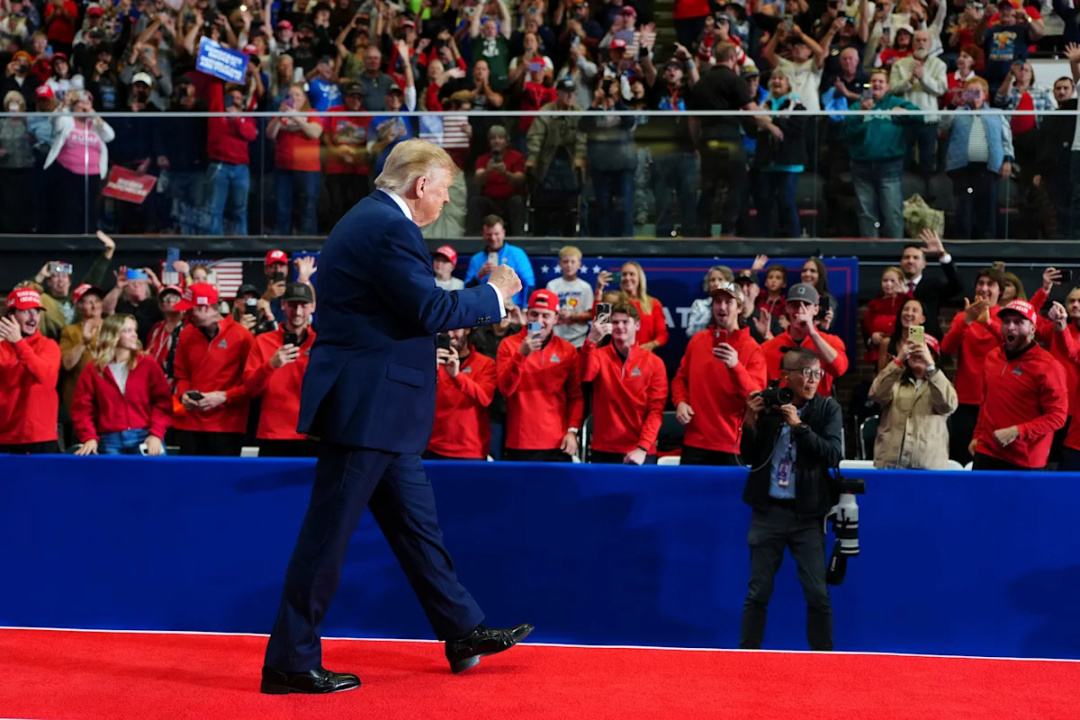
GOP Faces Unthinkable Election Night Losses as Concerns Mount
Republicans are gearing up for what they fear could be a brutal election night, with expectations of losses in deep-red Trump territory that were once considered unthinkable. House Republicans are not only contemplating the possibility of losing their majority but are also assessing the potential extent of their losses. According to six individuals involved in internal discussions, GOP incumbents in previously safe districts are urgently requesting more financial support as they try to stem the tide of voter discontent.
The concerns extend beyond the House, with Senate Republicans increasingly worried about races in states like Ohio and Kansas. "It could be quite a brutal evening," remarked a senior Republican involved in these private conversations, highlighting the precarious situation as key races hang in the balance. The urgency is palpable, as some incumbents have even ceased their own polling efforts in a desperate bid to conserve funds for outreach to voters, pleading for reinforcements from President Donald Trump's political operation and the National Republican Congressional Committee.
Common Sense Shop
The United States of Common Sense
Amazon shopping links. Sponsor Complete!
The political landscape has shifted dramatically, driven in part by voter dissatisfaction with rising costs of living and aspects of Trump's policy agenda. With less than a week until Election Day, Republicans find themselves in a more precarious position than anticipated earlier in the year. The party's worries are compounded by the potential disengagement of young male voters who previously supported Trump but are now disillusioned by high prices and ongoing conflicts abroad.
In a recent encounter at a Kwik Trip in Eau Claire, Wisconsin, a 20-year-old voter expressed his frustration over soaring fuel prices, stating, "I think they're bull," and confirmed he would not be voting this time around. This sentiment reflects a broader trend of discontent among key demographics that could significantly impact the election results.
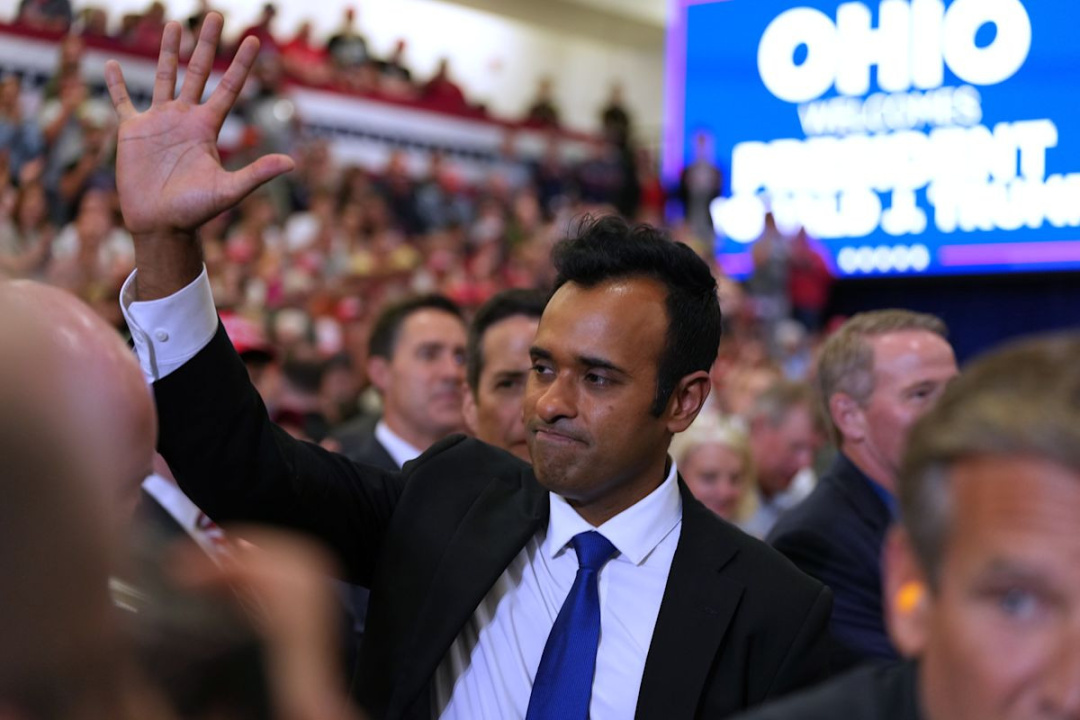
As the GOP grapples with these challenges, new issues have emerged across various states. In Ohio, the race between GOP Senator Jon Husted and former Democratic Senator Sherrod Brown remains tight, while Republican gubernatorial nominee Vivek Ramaswamy's campaign has faltered dramatically in recent days following controversial advertising tactics. The internal polling indicates a troubling trajectory for Republicans, with concerns that even traditionally safe seats could slip away.
Battleground States Shift in GOP Favor
South Carolina has also turned into a nail-biter for Republicans, where political newcomer Senator Darline Graham faces a well-funded Democratic challenger. However, optimism has been bolstered by outside funding and Trump's planned rally in the state, which aims to energize the GOP base.
In Louisiana, once thought to be a secure Republican stronghold, worries have emerged about a surge in Black and Democratic voter turnout. Trump has scheduled a tele-rally for Senate nominee Julia Letlow, but internal discussions suggest that the race may be closer than previously believed, with predictions of a narrow victory if Democratic turnout is strong.
The National Republican Congressional Committee has been proactive, launching coordinated advertising campaigns in red districts well ahead of the election, but the party still faces an uphill battle in many areas. Even in districts that Trump won by significant margins, Republicans are bracing for potential losses, with some races becoming the most expensive in history as candidates scramble to secure their positions.
The Common Sense Test
As Election Day looms, the atmosphere within the GOP is one of cautious anxiety. While some Republicans maintain hope for a favorable outcome, the reality of the current political climate suggests that they may be in for a long night. The stakes are high, and the potential consequences of these elections could reshape the political landscape for years to come.
Ultimately, the GOP's ability to navigate this challenging environment will hinge on their capacity to address voter concerns effectively and mobilize their base. With many races too close to call, the outcome remains uncertain, and both parties are preparing for a night that could redefine the political balance in America. As Republicans reflect on their strategy and messaging, they must confront the reality that the political landscape has shifted, and the road ahead may be more arduous than they had anticipated.