Record Early Voting in US Midterms: Democrats Lead Turnout
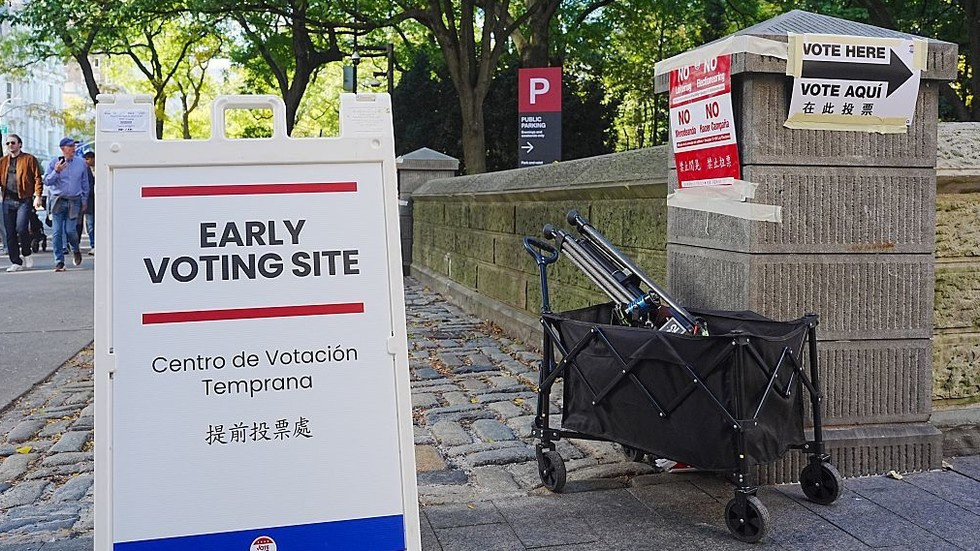
In a significant development ahead of the November 3 midterm elections, over 51 million Americans have already cast their ballots, surpassing the previous early voting record of 45.9 million set in 2022. This surge in early voting is crucial as it will determine control of Congress, with all 435 House seats and approximately one-third of the Senate up for grabs. Currently, Republicans hold majorities in both chambers, but the early voting numbers suggest a competitive landscape.
As of now, early voting has exceeded 51.3 million ballots, according to data from the University of Florida Election Lab. Among the 27 states that track party registration, Democrats have accounted for 43.1% of early ballots, while Republicans have garnered 31.8%. These figures reflect party affiliations rather than specific candidate choices, indicating a potential shift in voter sentiment.
Common Sense Shop
The United States of Common Sense
Amazon shopping links. Sponsor Complete!
Notably, Pennsylvania has emerged as a state with a significant gap in early voting, where registered Democrats represent 65% of early ballots compared to just 25% for Republicans. Even in traditionally Republican strongholds like Iowa, Kansas, and Nebraska, Democrats are either matching or exceeding GOP early turnout, despite being outnumbered in registered voters.
However, there are signs of renewed Republican participation in early and absentee voting in states such as Florida, Michigan, and Texas. In Florida, Republicans have overtaken Democrats by three percentage points in early voting, a notable change from the 6.4-point advantage Democrats held in 2022. In Texas, Republicans made up 45% of early voters, despite only comprising 36% of the overall electorate, according to data from voter analysis firm L2.
The Cook Political Report has responded to these early voting trends by shifting ratings for 12 House contests toward Democrats, classifying 18 House races and seven Senate contests as toss-ups. This indicates that the early voting dynamics could play a pivotal role in determining the outcome of these critical races.
Trends in Early Voting Preferences
University of Florida Election Lab director Michael McDonald noted that early voters have historically leaned Democratic, a trend that has persisted in recent elections. "On Election Day, the electorate shifts very much in the red direction. So Democrats have to build up an advantage in the early vote just to withstand what’s going to happen on Election Day," he explained.
The landscape of early voting has evolved significantly since the Covid-19 pandemic, which initially saw many Democrats opting for mail-in ballots as a precaution. In contrast, Republicans preferred to vote in person on Election Day. However, this trend appears to be reversing, with more Republicans now participating in early voting.
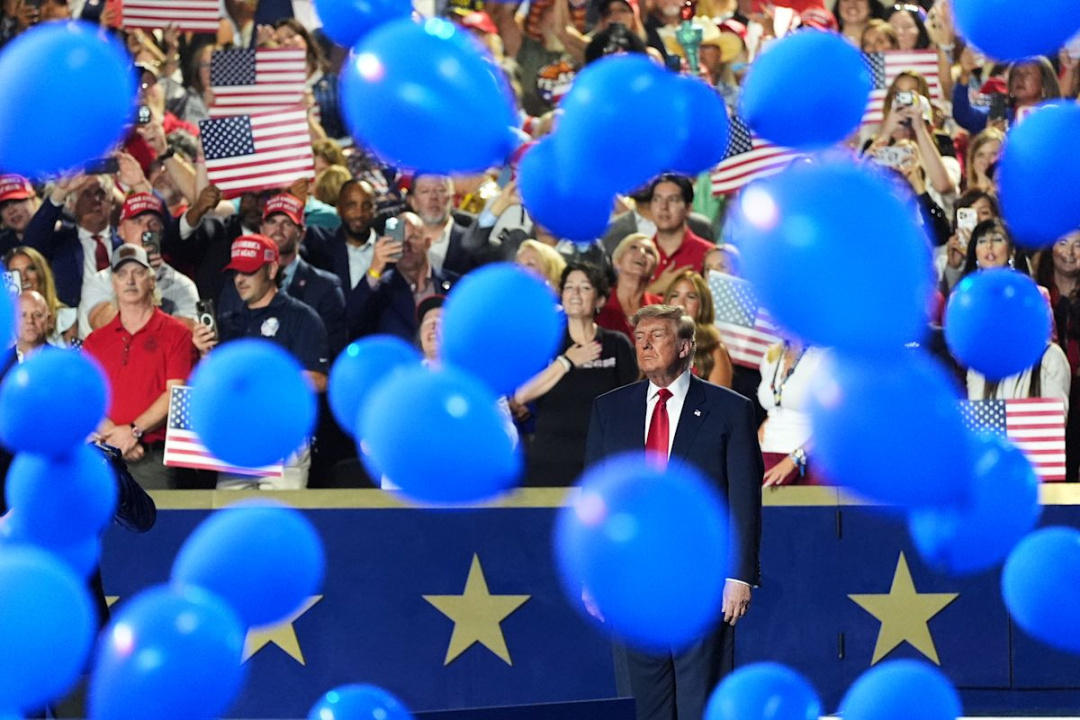
Former President Donald Trump has previously criticized mail-in voting, alleging it contributed to his loss in the 2020 election. In response, he signed an executive order in March directing the US Postal Service to implement new requirements for handling mail ballots. However, the Supreme Court recently declined to lift a lower court injunction blocking these new rules ahead of the midterms.
The Common Sense Test
Trump's approval ratings have dipped amid ongoing challenges, including the contentious situation in Iran and his administration's immigration policies. As the elections draw near, Trump is set to hold rallies in Iowa and Kansas, having rearranged his schedule to accommodate additional tele-rallies, according to reports.
As the midterm elections approach, the implications of these early voting trends cannot be overstated. With Democrats capitalizing on early turnout, Republicans must strategize effectively to mobilize their base ahead of Election Day. The shifting dynamics in voter participation could ultimately influence the balance of power in Congress, making it imperative for both parties to adapt to the evolving electoral landscape. The question remains: can Republicans rally enough support to reclaim control, or will Democrats maintain their early voting advantage come November?