Data Centers Revitalize Forgotten American Communities with Tax Revenue
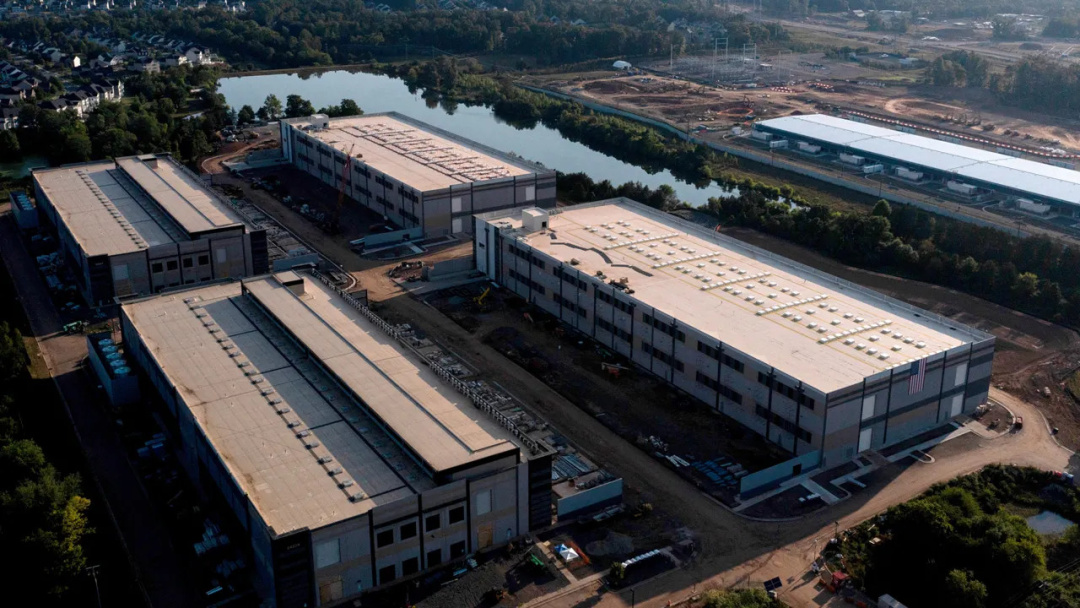
As the midterm elections approach, data centers have emerged as a hot topic among politicians, with some raising alarms about their effects on local communities and calling for moratoriums or outright bans. However, this fearmongering overlooks the substantial benefits that data centers provide to towns across America. With the rapid growth of artificial intelligence, the demand for computing power has surged, prompting new facilities designed to mitigate concerns about electricity prices and water usage through advanced technologies.
Take Ellendale, North Dakota, for instance. This small town of just 1,100 residents saw its annual sales tax revenue soar from approximately $400,000 to $3.5 million in just the first seven months of 2026, thanks to Applied Digital's new $11 billion data center development. This influx of revenue is enabling the town to repave roads, renovate its senior center, and restore a historic opera house—investments that can transform the community for generations.
Common Sense Shop
The United States of Common Sense
Amazon shopping links. Sponsor Complete!
Schools across the nation are also reaping the rewards of the data center boom. In Richland Parish, Louisiana, Meta's significant investment has allowed for annual teacher bonuses to increase between $10,000 and $50,000. This financial boost is a game-changer for working families, making the school district more attractive to talented educators and enhancing the quality of education.
Politicians campaigning against higher teacher pay or improved schools would find it hard to justify their stance, especially when communities stand to lose these benefits if development is halted. In Loudoun County, Virginia, data centers account for 45% of the county's revenue, which has enabled officials to cut property tax rates for homeowners consistently over the past decade. This substantial tax base has allowed local governments to invest in community needs, making the American Dream more accessible for families.
Balancing Costs and Community Benefits
Concerns about rising electricity prices are valid, as families grapple with higher utility bills. However, the predictable electricity demand from data centers can lead to lower infrastructure costs for existing residents. In Georgia, agreements with large electricity customers, including OpenAI, are projected to reduce residential power bills by $180 annually by 2029, showcasing how data centers can benefit local households.
Trade unions have also voiced strong support for data centers due to the high-paying jobs they create. The construction of these facilities requires skilled labor, providing opportunities for the next generation of American workers. For example, in Baltimore, IBEW Local 24 expanded its membership by 50% alongside data center projects, while IBEW Local 163 in Luzerne County, Pennsylvania, doubled its ranks following the construction of an Amazon data center.
The Common Sense Test
It is crucial for developers to engage with residents and local governments to address legitimate concerns regarding electricity costs and resource usage. Communities deserve transparency about how these investments will benefit local families. When developed responsibly, data centers can yield significant economic advantages, leading to improved infrastructure, lower tax burdens, and new job opportunities.
For decades, politicians have promised to restore economic opportunities to struggling communities. Now, data centers are delivering billions in private investment to those very towns. As this new industrial boom unfolds, it is essential for lawmakers to consider the tangible benefits these developments bring before rushing to impose restrictions that could stifle growth and opportunity.