U.S. Military Gains in Hormuz Risked by Iranian Escalation Post-Midterms
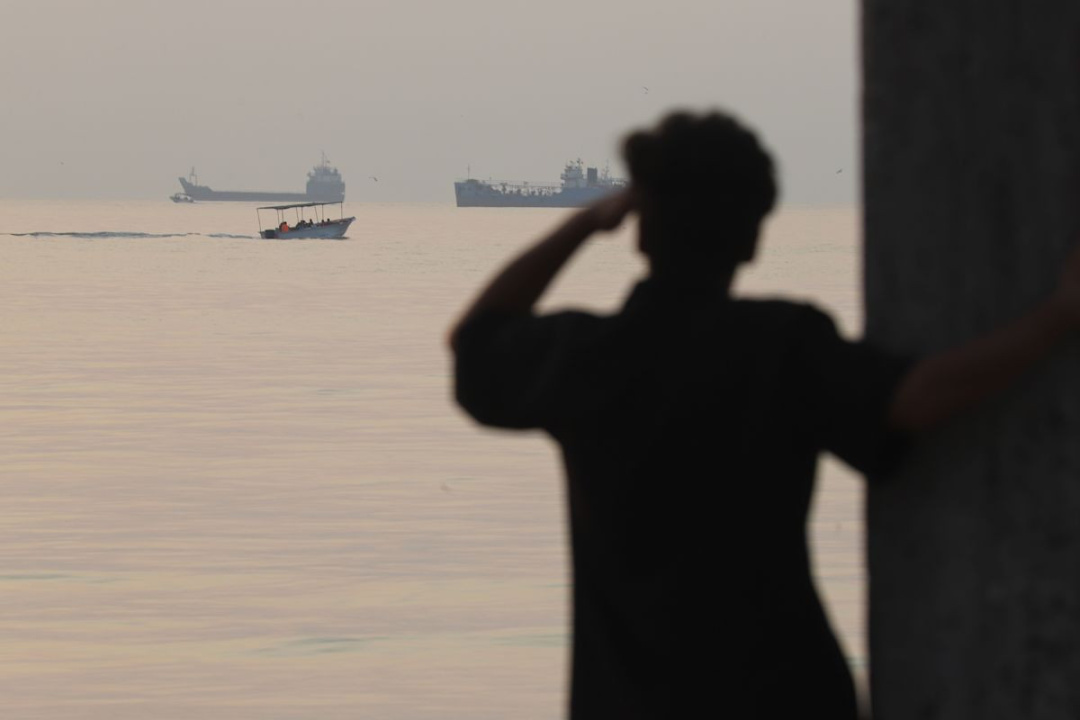
The United States is highlighting recent military gains in the Strait of Hormuz, asserting that weeks of complex operations have restored oil flows to levels nearly equivalent to those before the onset of conflict. This effort aims to diminish Iran's leverage as the U.S. approaches midterm elections, a period during which President Donald Trump has threatened to escalate military action against Iran. The U.S. Central Command reported an increase in vessel traffic, indicating that regional partners and the U.S. military are effectively controlling this crucial international waterway. However, the sustainability of these operations remains in question as Iranian attacks on shipping have intensified.
Reports indicate that Iranian strikes have targeted engine rooms of vessels, aiming to disable rather than merely damage them. This month has seen a surge in violence, with at least 25 ships reportedly hit in the Strait of Hormuz, marking October as the most violent month since the conflict began. Despite these attacks, oil exports have rebounded significantly, with estimates showing daily exports reaching around 14 million barrels, approximately 80% of prewar averages. This recovery is noteworthy, especially considering that daily averages had plummeted to as low as 7 million barrels earlier in the summer.
Common Sense Shop
The United States of Common Sense
Amazon shopping links. Sponsor Complete!
The U.S. Army's elite 82nd Airborne Division is leading operations in the region, coordinating efforts from a joint operations center in the United Arab Emirates. Central Command has noted that over 3,000 commercial vessels have transited the strait in the past six months, although the UAE has not publicly commented on its role in these operations. The increase in shipping traffic is seen as a lifeline for U.S. allies in the Persian Gulf, but concerns linger about the long-term viability of these operations amid ongoing Iranian aggression.
Evaluating Modern Military Strategies in Hormuz
The situation has prompted discussions among military analysts regarding the effectiveness of current U.S. strategies compared to historical operations. Retired Vice Admiral Kevin Donegan noted that contemporary operations are more agile and less reliant on large naval escorts than those seen during the tanker wars of the 1980s. Current strategies involve guiding vessels through the strait with specific instructions to minimize risk, including turning off tracking systems to avoid detection by Iranian forces.
The Common Sense Test
However, the risk remains high, as evidenced by the deaths and injuries of seafarers due to Iranian attacks. Most vessels currently transiting the strait are state-owned, with private companies largely opting out of these routes due to safety concerns. Analysts warn that the situation is unsustainable, particularly if liquefied natural gas carriers are targeted, which could result in catastrophic incidents beyond mere oil spills.
Despite the challenges, some experts argue that the U.S. has made significant strides in overcoming Iran's previous attempts to close the strait. Yet, the persistent threat of Iranian attacks indicates that the U.S. must continue to adapt its strategies to maintain maritime security and protect its interests in the region. As the midterms approach, the potential for renewed conflict looms, raising critical questions about the future of U.S.-Iran relations and the stability of global energy markets.