Thilan Wijesinghe Cleared from Corruption Allegations in Parliament
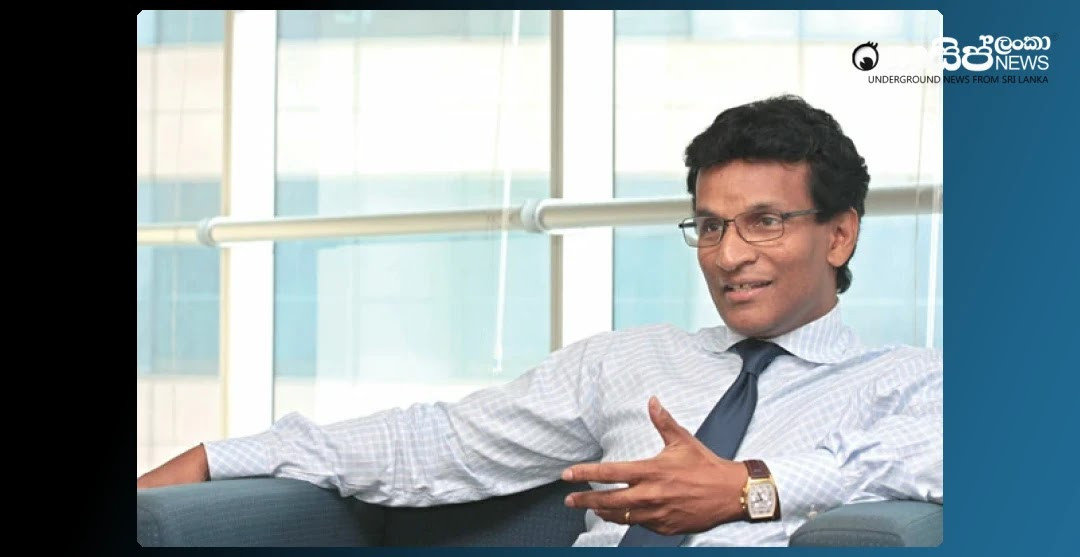
The Sri Lankan government has recently taken steps to remove Thilan Wijesinghe, the former Chairman of the Board of Investment (BOI), from a list of alleged corruption presented to Parliament. This list, which was introduced by Minister Bimal Ratnayake on October 8, aimed to counter claims of political victimization by detailing 50 cases of corruption, fraud, and criminal activity involving former ministers and senior officials. Wijesinghe was listed as the final entry, accused of violating anti-corruption laws related to state development contracts.
On October 22, Minister Ratnayake announced the removal of Wijesinghe's name, along with those of two other individuals, stating that their inclusion was not crucial for his argument against political victimization. He emphasized that the prosecutions were not politically motivated. While Wijesinghe welcomed the removal of his name, he expressed serious concerns about how a fictitious High Court case file was included in the allegations against him.
Common Sense Shop
The United States of Common Sense
Amazon shopping links. Sponsor Complete!
In a social media post, Wijesinghe pointed out that the document referenced a non-existent High Court case number HC/9021/2018. Legal inquiries confirmed that no such case exists, raising questions about the accuracy of the information presented to Parliament. Wijesinghe noted that only about 800 cases were filed in the Colombo High Court in 2018, making the cited case number implausible.
The implications of this incident extend beyond mere reputation management. Wijesinghe, who holds significant positions in public companies in Sri Lanka and India, warned that such allegations could undermine the trust of regulators and business partners. He argued that simply removing his name from the list does not erase the potential damage caused by the initial public accusation.
Calls for Accountability in Government Information
In light of these developments, Wijesinghe has called for an investigation into how this erroneous information was presented to Parliament. He highlighted that providing false information to a public servant could constitute an offense under the Penal Code, and he has reached out to the Minister for clarification on the matter. This incident raises broader concerns about the integrity of information used in governmental proceedings and the necessity for accountability among public officials.
The Common Sense Test
The situation surrounding Thilan Wijesinghe serves as a stark reminder of the importance of verifying information before it is presented in a public forum. The inclusion of a non-existent case in a list of serious allegations not only damages the reputation of individuals but also undermines public trust in government institutions. As Wijesinghe rightly points out, the consequences of such actions can be far-reaching, affecting not just the individuals involved but the integrity of the entire political system.
As this situation unfolds, it is crucial for the government to take steps to ensure that accurate and verified information is used in official communications. The public deserves transparency and accountability from its leaders. Moving forward, the government must address how such inaccuracies occurred and implement measures to prevent similar incidents in the future. The integrity of government processes relies on the trustworthiness of the information presented, and it is the responsibility of public officials to uphold that standard.