Michigan Senate Race: El-Sayed vs. Rogers in a Close Contest
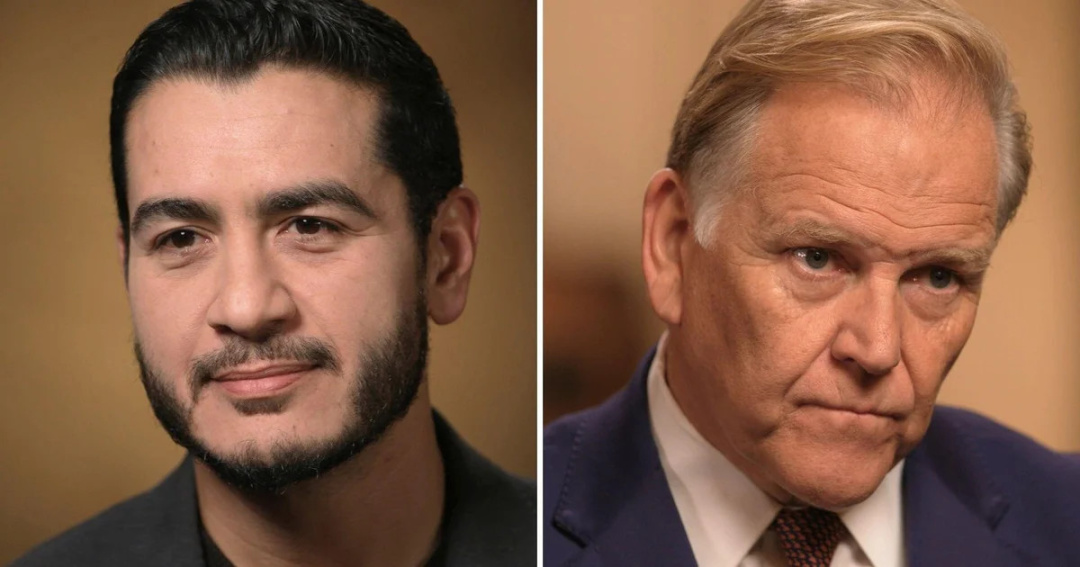
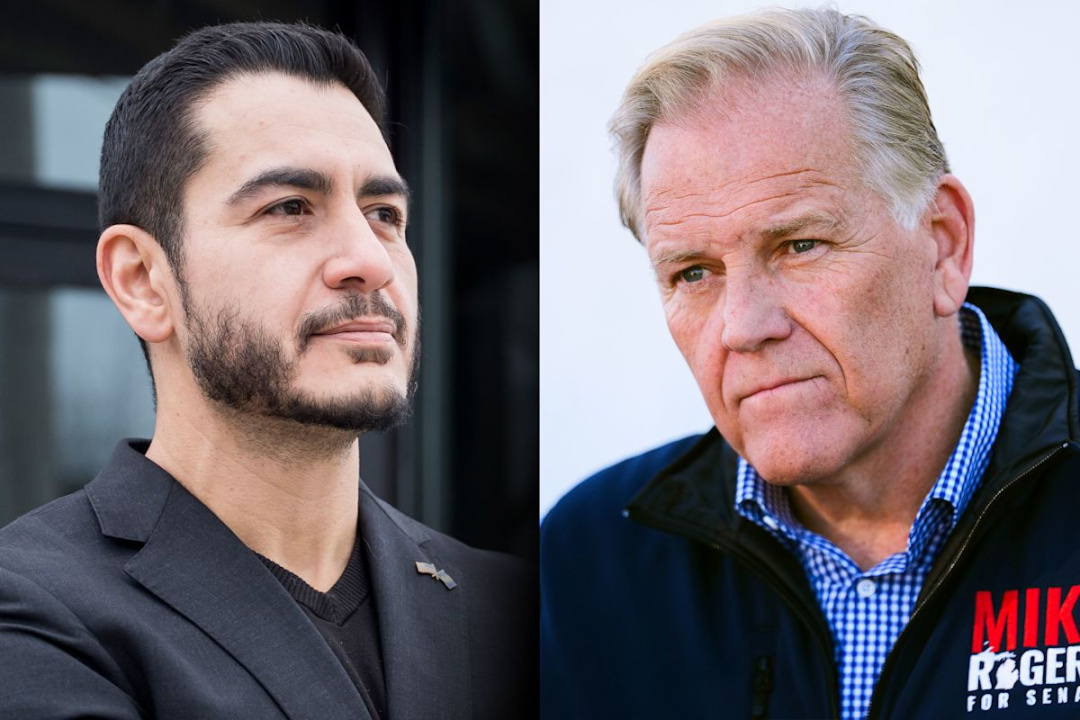
As the midterm elections approach, the battle for control of the U.S. Senate could come down to Michigan, where a contentious race is unfolding between Democrat Abdul El-Sayed and Republican Mike Rogers. This election is pivotal, reflecting broader national issues such as inflation, foreign policy, and party identity.
For Rogers, a 63-year-old former congressman and FBI agent, the challenge lies in winning over voters amid President Trump's declining approval ratings. He emphasizes a need for change in Michigan, a state that hasn't elected a Republican senator in decades. Rogers' platform resonates with traditional conservative values, focusing on local issues like literacy and community engagement, which he believes are essential for the state's future.
Common Sense Shop
The United States of Common Sense
Amazon shopping links. Sponsor Complete!
On the other hand, 42-year-old El-Sayed, a progressive candidate with a background in public health and administration, is positioning himself as a transformative figure within the Democratic Party. He won the state Democratic primary by a narrow margin and is advocating for bold reforms, including a version of Medicare for All that he claims would preserve private insurance options. El-Sayed's campaign is also marked by a focus on emerging technologies, particularly artificial intelligence, which he believes poses significant challenges to the job market and local communities.
El-Sayed's progressive platform includes breaking up monopolies and implementing a wealth tax on billionaires to fund his healthcare proposals. However, he acknowledges that voters are more concerned about immediate issues like job security in the face of technological change than healthcare at this moment. His call for a Cabinet-level agency to oversee AI regulation highlights his commitment to addressing these concerns.
Rogers' Strategy to Broaden Appeal
Rogers, meanwhile, is trying to appeal to a broader base, including African American voters, by addressing issues that matter to them directly. He has criticized El-Sayed for aligning with progressive figures like Alexandria Ocasio-Cortez, framing it as a disconnect from the needs of everyday Michiganders. Rogers argues that his focus is on local problems, such as the ongoing water crisis in Flint, rather than national party politics.
The candidates' differing views on foreign policy, particularly regarding Israel, also play a significant role in the race. El-Sayed has been vocal against U.S. support for Israel, claiming it contradicts the pursuit of peace and self-determination for both Palestinians and Israelis. Rogers, in contrast, defends Israel's right to exist and criticizes El-Sayed's rhetoric as harmful.
The Common Sense Test
As the election nears, the stakes are high. El-Sayed's potential victory would mark a historic moment, making him the first Muslim senator in U.S. history. However, Rogers is banking on a strong turnout from Jewish voters, traditionally a Democratic stronghold, to secure his position. With both candidates emphasizing their unique visions for Michigan's future, the outcome of this race could have lasting implications for both the state and the nation.
Ultimately, this election is about more than just party affiliation; it reflects the broader ideological divides within American politics today. Voters in Michigan will have to weigh the candidates' promises against their track records and the realities facing their communities. As they head to the polls, the question remains: which vision for Michigan will resonate more with the electorate?