Iran's Strikes on U.S. Bases Reveal Strategic Military Damage
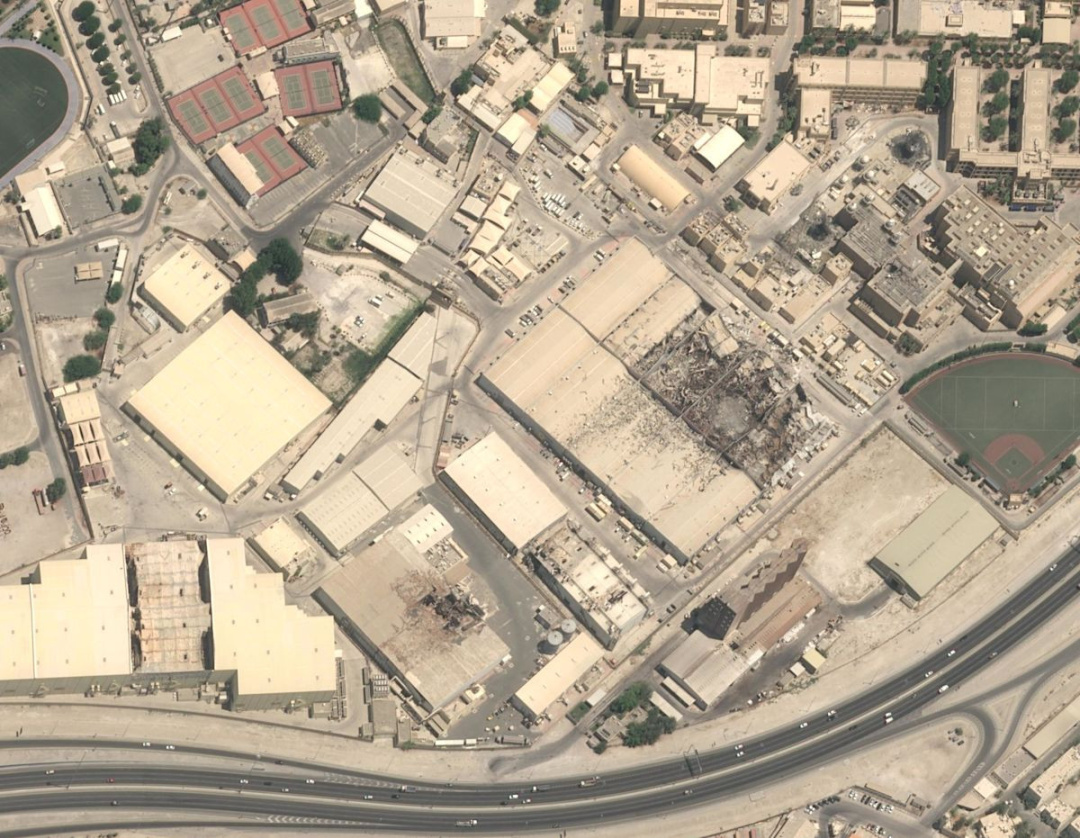
Iran's recent strikes on over two dozen U.S. military bases in the Middle East have revealed a focused strategy aimed at crippling American military capabilities. According to an analysis by the Associated Press, these strikes primarily targeted early-warning systems before moving on to aircraft and other critical infrastructure, resulting in billions of dollars in damage. This assessment is based on satellite imagery and insights from regional officials who have been briefed on the situation.
The AP's investigation found that, as of August, more than 115 drone and missile strikes attributed to Iran or Iranian-backed militias have caused substantial damage across 26 military installations. The initial phase of these attacks concentrated on aircraft hangars and detection systems, which facilitated further strikes on warehouses and troop accommodations, significantly altering the operational landscape for U.S. forces in the region.
Common Sense Shop
The United States of Common Sense
Amazon shopping links. Sponsor Complete!
Two regional officials reported that the U.S. has had to relocate many of its assets out of the Persian Gulf, including vital aircraft and air defense systems. This shift raises serious concerns about the effectiveness of American defenses in the area, especially as President Trump contemplates military responses following the midterm elections. The potential for renewed hostilities poses a risk of further costly damage to U.S. bases, which could complicate decisions regarding the rebuilding of military infrastructure in the region.
The AP's findings provide critical insights into Iran's military strategy and the extent of damage inflicted on U.S. bases during the ongoing conflict. From April to June, Iranian strikes reportedly damaged or destroyed hundreds of structures on these bases. However, the U.S. military has been notably reticent in disclosing the full extent of the damage, often citing operational security concerns, which has hindered independent assessments.
U.S. Military's Response to Iranian Attacks
U.S. Central Command has refrained from commenting on the specifics of the damage, maintaining that American forces are well-protected and capable of fulfilling their mission. Pentagon spokesman Sean Parnell emphasized that U.S. military readiness remains strong, asserting that the forces in CENTCOM are equipped to prevent Iran from acquiring nuclear capabilities.
Most Iranian attacks have occurred in Kuwait, with significant damage reported at bases in Bahrain, Iraq, Jordan, Oman, Qatar, Saudi Arabia, and the United Arab Emirates. Notably, the deadliest strike against U.S. troops occurred in Kuwait, where six soldiers were killed in a drone attack at Port Shuaiba on March 1. The Ali Al Salem Air Base in Kuwait has been hit at least 30 times, resulting in severe damage to hangars and facilities, while Camp Buehring has experienced even greater losses, with critical infrastructure rendered inoperable.
The Common Sense Test
As Iran continues to target U.S. military assets, experts warn that the modern nature of warfare makes all militaries vulnerable to large-scale drone attacks. Raphael Cohen, director of the National Security Program at RAND, stated that the current operational environment will challenge U.S. forces in unprecedented ways. The attacks have not only damaged physical infrastructure but have also raised fundamental questions about the future of U.S. military strategy in the Middle East.
The implications of these strikes extend beyond immediate damage; they signal a shift in the operational landscape for U.S. forces. As Iran successfully targets critical military infrastructure, the United States must reassess its strategic posture in the region. The reliance on fixed installations, which has characterized U.S. military operations in the past, may no longer be viable in the face of evolving threats. The question remains whether the U.S. will adapt its strategy to mitigate these vulnerabilities or risk further losses in future engagements with Iran.