Trump Administration Proposes Rollback of Methane Standards for Oil and Gas
This week, the Trump EPA announced a proposal to rollback methane standards for the oil and gas industry, a move that could pave the way for increased pollution and waste of valuable American energy resources. As many Americans grapple with high energy prices, this rollback raises significant concerns about its implications for both the environment and the economy.
The EPA's own estimates indicate that this proposal could lead to an increase in methane emissions equivalent to the climate impact of over 1 billion gasoline-powered vehicles or the output of 1,100 coal-fired power plants operating for a year. The administration projects an additional 60 million short tons of methane emissions over the next several decades. This amount of natural gas could fuel 49 million homes for a year, surpassing the total number of homes in California, Texas, Florida, New York, and Pennsylvania combined.
Common Sense Shop
The United States of Common Sense
Amazon shopping links. Sponsor Complete!
Moreover, the proposed changes raise questions about the EPA's authority to regulate methane as a greenhouse gas under section 111 of the Clean Air Act. The agency is considering further rulemaking that could further undermine existing protections, echoing previous claims that it lacks the authority to regulate greenhouse gas emissions for the power sector.
The proposal includes significant rollbacks for low-production wells, which produce 15 barrels of oil equivalent per day or less. The EPA suggests exempting these sites from key standards, allowing them to bypass equipment inspections for leaks and vent gas without pollution controls. Despite accounting for only 7% of the nation's oil and gas supply, these wells are responsible for a staggering 60% of upstream methane emissions. Contrary to the narrative that these protections primarily impact small operators, the EPA's analysis reveals that over half of these low-production wells are owned by large companies with extensive resources.
Environmental Concerns Over Flaring Practices
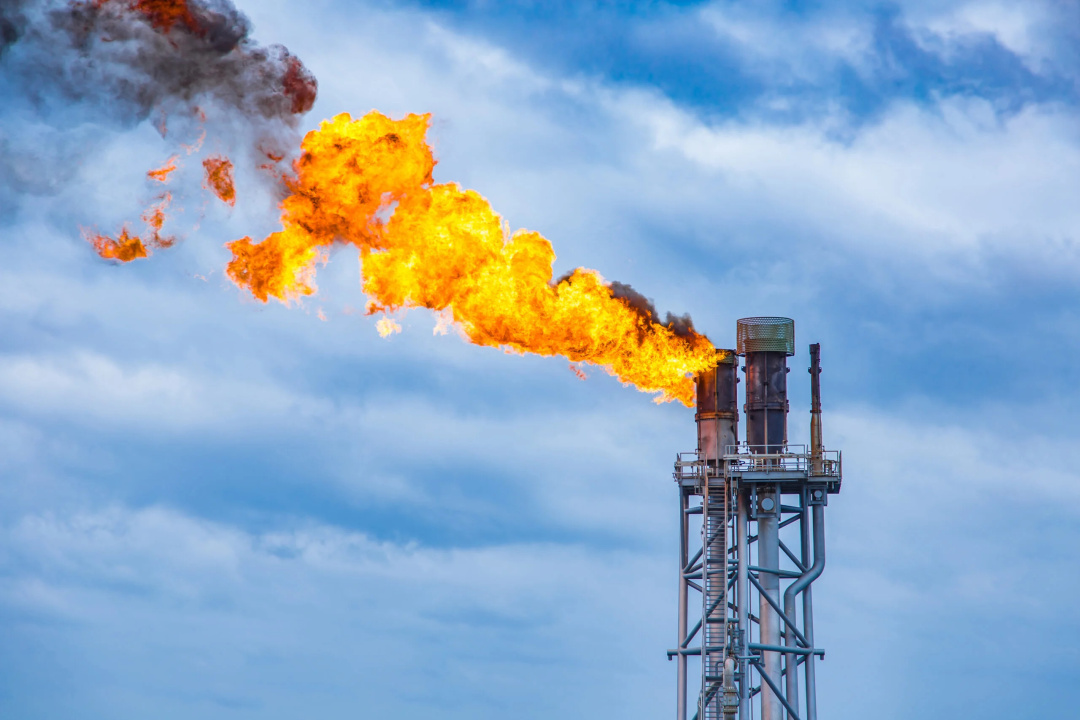
Additionally, the proposal would permit oil companies to routinely flare natural gas produced alongside oil, reversing a commonsense requirement to capture and utilize this gas. Routine flaring is recognized as one of the most wasteful practices in the industry, contributing to significant environmental harm while valuable energy goes to waste.
The Common Sense Test
At a time when technology is improving the ability to monitor methane emissions, the EPA also proposes eliminating the Super Emitter Program, which utilized satellite data to identify major methane leaks. This move raises concerns about the administration's commitment to addressing the most harmful emission events.
The EPA is currently accepting public comments on this proposal until December 16. It is crucial for concerned citizens to voice their opposition to this rollback, which threatens to undermine essential environmental protections and exacerbate pollution issues at a time when responsible energy management is more critical than ever.