Key Questions That Will Shape the Midterm Elections
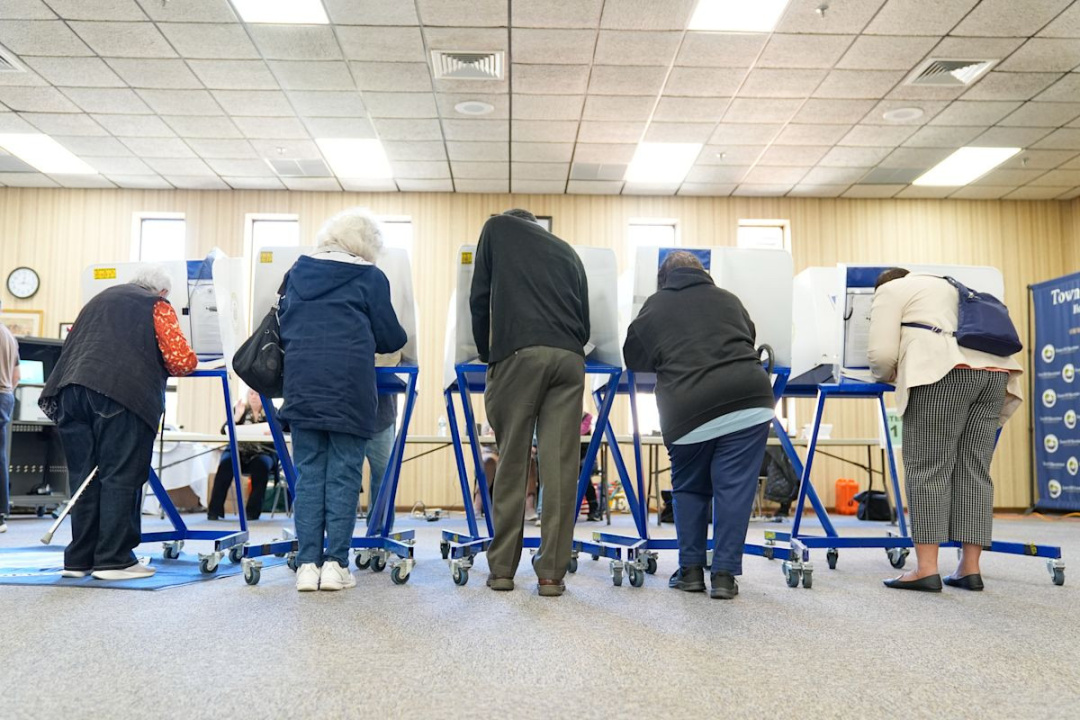
With the midterm elections on the horizon, five pivotal questions are set to shape the outcomes of races across the nation. While many Democratic voters express enthusiasm about voting, the party's success hinges on attracting Republican-leaning and independent voters. Their participation is essential for Democrats to secure a Senate majority, gain a significant House presence, and win key governorships.
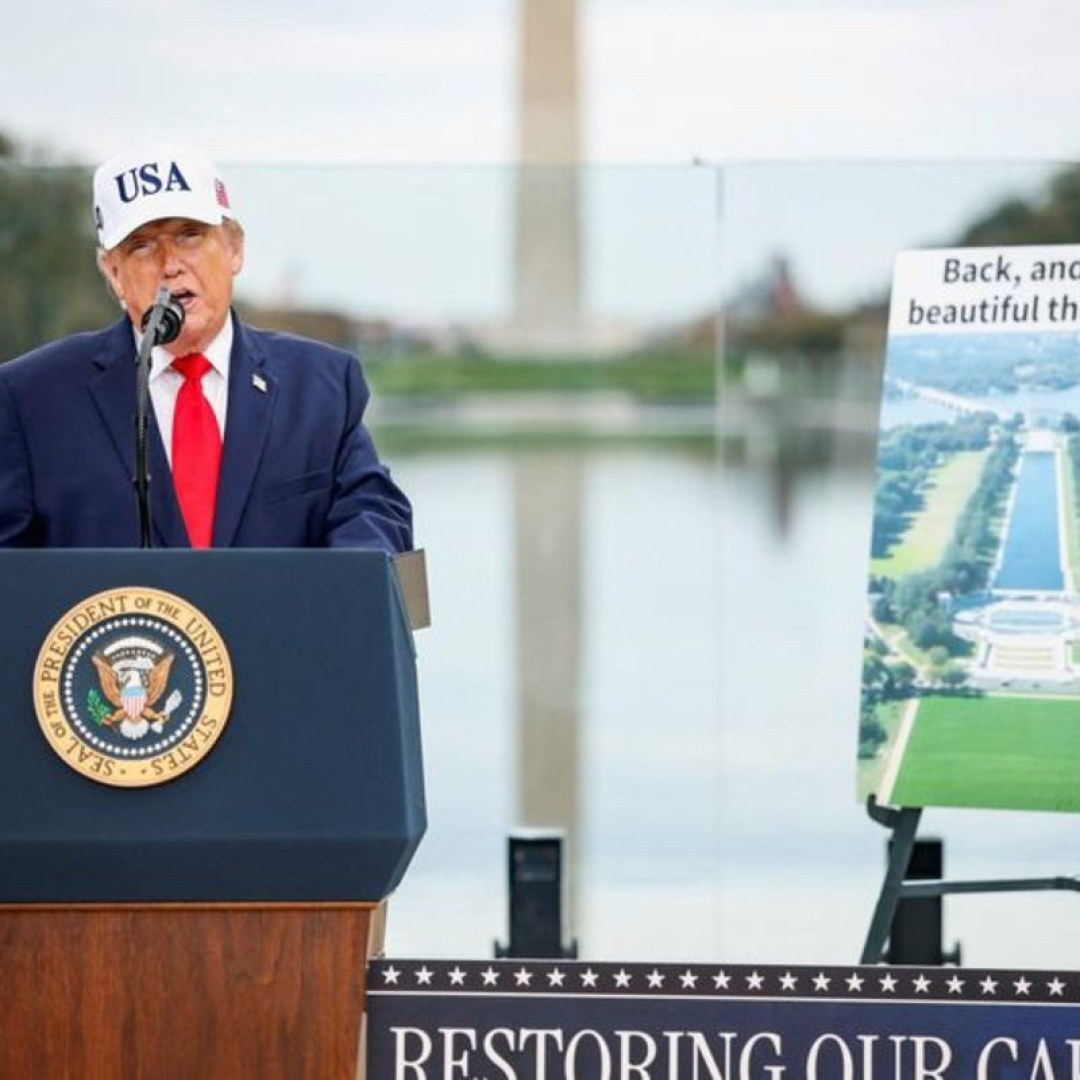
Former President Donald Trump's unpopularity complicates matters. Analysts are left wondering whether disillusioned Trump voters will cast their ballots for Democratic candidates or simply abstain from voting altogether. In races where Republicans outnumber Democrats, such as Senate contests in Texas and Kansas, low Republican turnout may not be enough for Democrats to claim victory.
Common Sense Shop
The United States of Common Sense
Amazon shopping links. Sponsor Complete!
Political analyst Charlie Cook notes, "There is little question that this is going to be a big night for Democrats, but it is impossible to know just how big." Pollsters struggle to predict which disaffected Republicans might reluctantly support their party or opt for the opposition. This uncertainty adds an intriguing layer to the upcoming elections.
Republicans are banking on the notion that voters dissatisfied with the current administration will view the alternative as worse. This sentiment is particularly evident in Michigan's Senate race, where Democrats have nominated liberal Abdul El-Sayed over a more moderate candidate. Polls indicate a tight race, while Democratic candidates in traditionally Republican states like Iowa and Alaska are also making waves.
In Florida, the Senate race features Democratic socialist Angie Nixon, yet analysts do not see it as competitive, contrasting with the highly contested gubernatorial race. A Democratic Senate majority likely hinges on a win in Maine, where polling suggests a closely contested battle.
Collins' Challenge in a Divided Electorate
Senator Susan Collins (R) faces one of her toughest reelection campaigns against former state Senate president Troy Jackson (D). Collins is often cited as an example of a candidate who can connect with voters across party lines while maintaining her conservative values.
The influence of billionaires in this election cycle cannot be overlooked. Substantial contributions, particularly from tech moguls like Elon Musk, are aimed at boosting Republican candidates, including the scandal-plagued Ken Paxton in Texas. However, the impact of such financial backing on voter sentiment remains uncertain. Overexposure to political advertising can lead to voter fatigue, and concerns about billionaire influence may even backfire in certain races.
The Common Sense Test
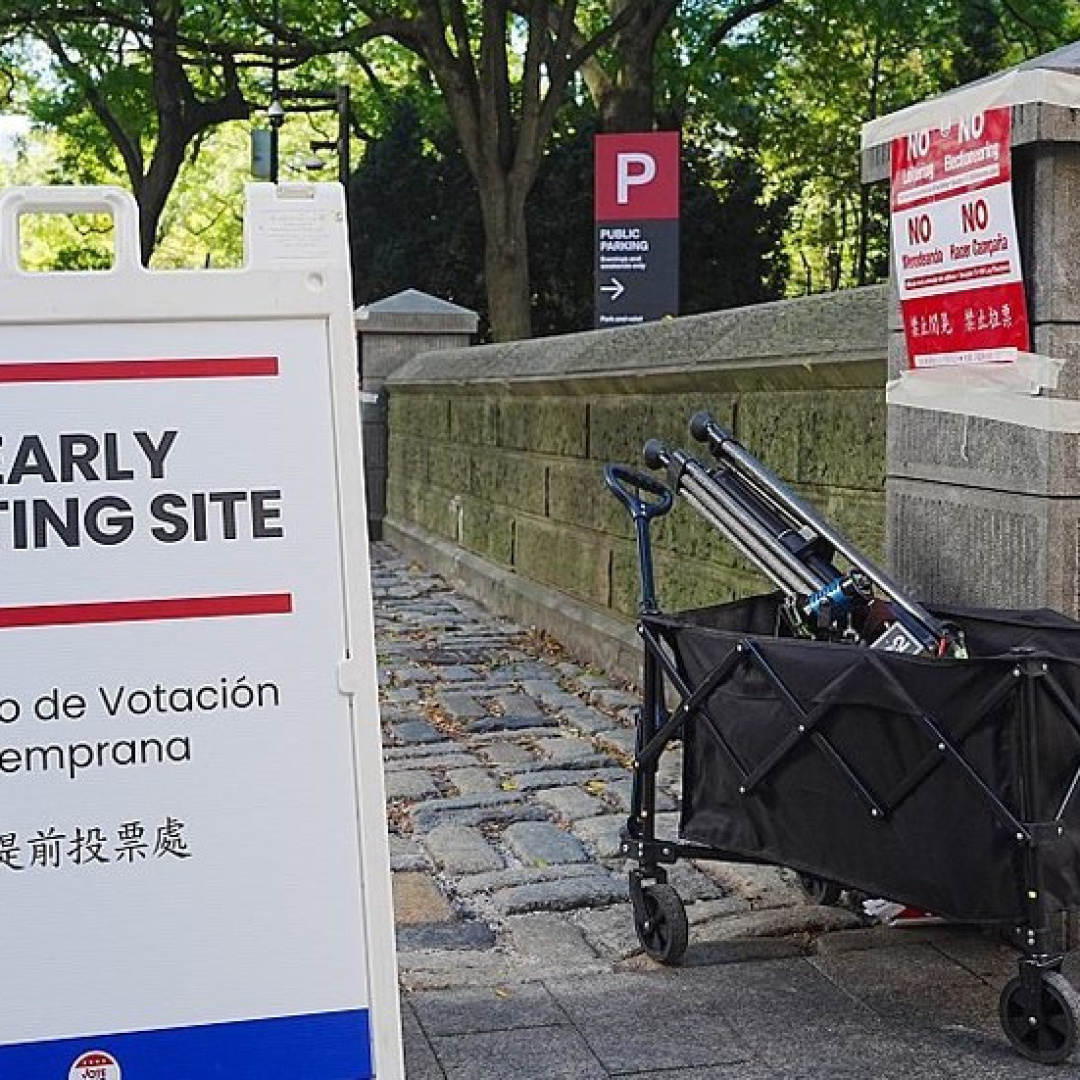
As Election Day approaches, many anticipate that Trump will allege fraud if his party does not secure a favorable outcome. His administration has made claims about noncitizen voting in Democratic-led states, but these allegations have been met with skepticism in court. Election officials nationwide are bracing for potential confusion and interference, including the possibility of immigration agents near polling places.
Despite these tensions, election officials express confidence in the integrity of the electoral process. Nevada Secretary of State Cisco Aguilar stated, "We've been working to prepare for this election since the Wednesday after the last election." He emphasized the importance of maintaining voter confidence and ensuring that every vote counts.