Haley Stevens Endorses Mike Rogers, Complicating Michigan Senate Race
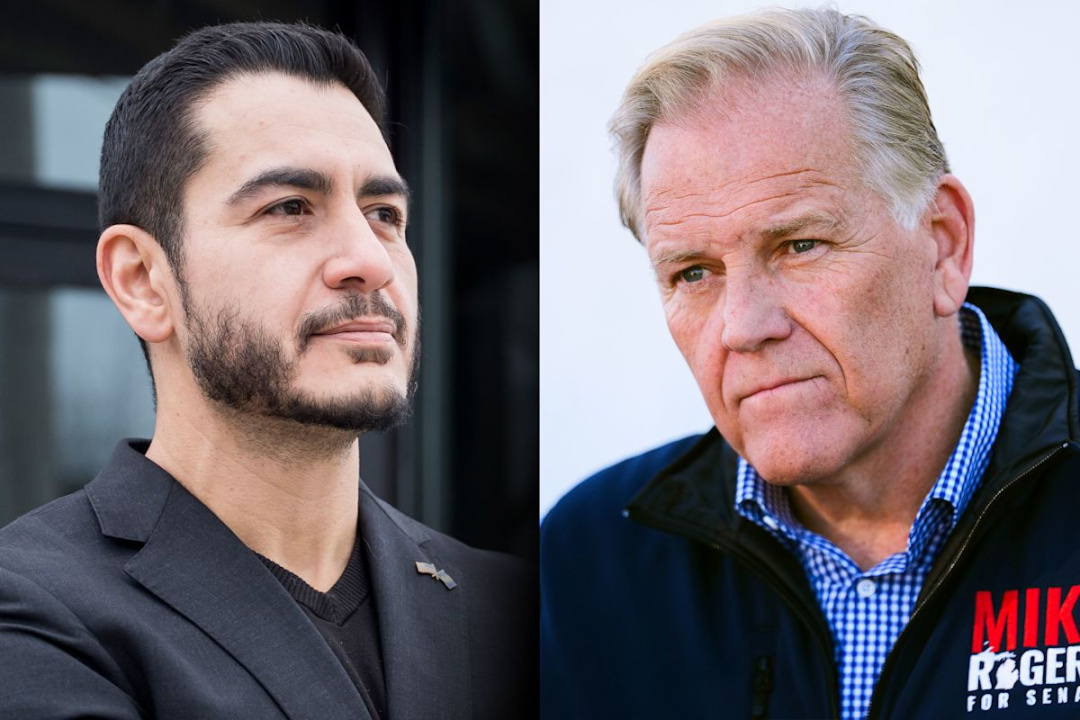
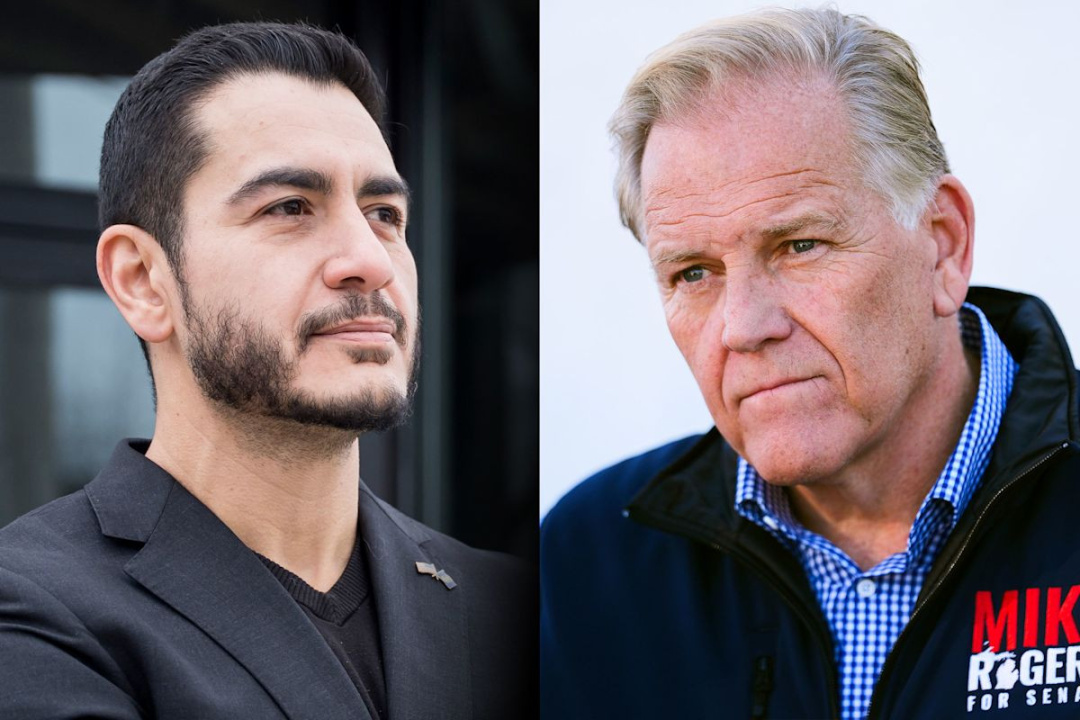
On Election Day, Democrat Abdul El-Sayed and Republican Mike Rogers will face off in what is shaping up to be a marquee battle for the 2026 midterms: the race to succeed retiring Democratic Sen. Gary Peters in Michigan. This contest could ultimately decide which party controls the U.S. Senate, a critical factor as Democrats currently hold 47 Senate seats, needing 51 to regain a majority. Polls indicate that flipping four Republican seats is feasible, but the Democrats must also defend their positions in Georgia, New Hampshire, and Michigan, with the Great Lakes State appearing to be the most competitive.
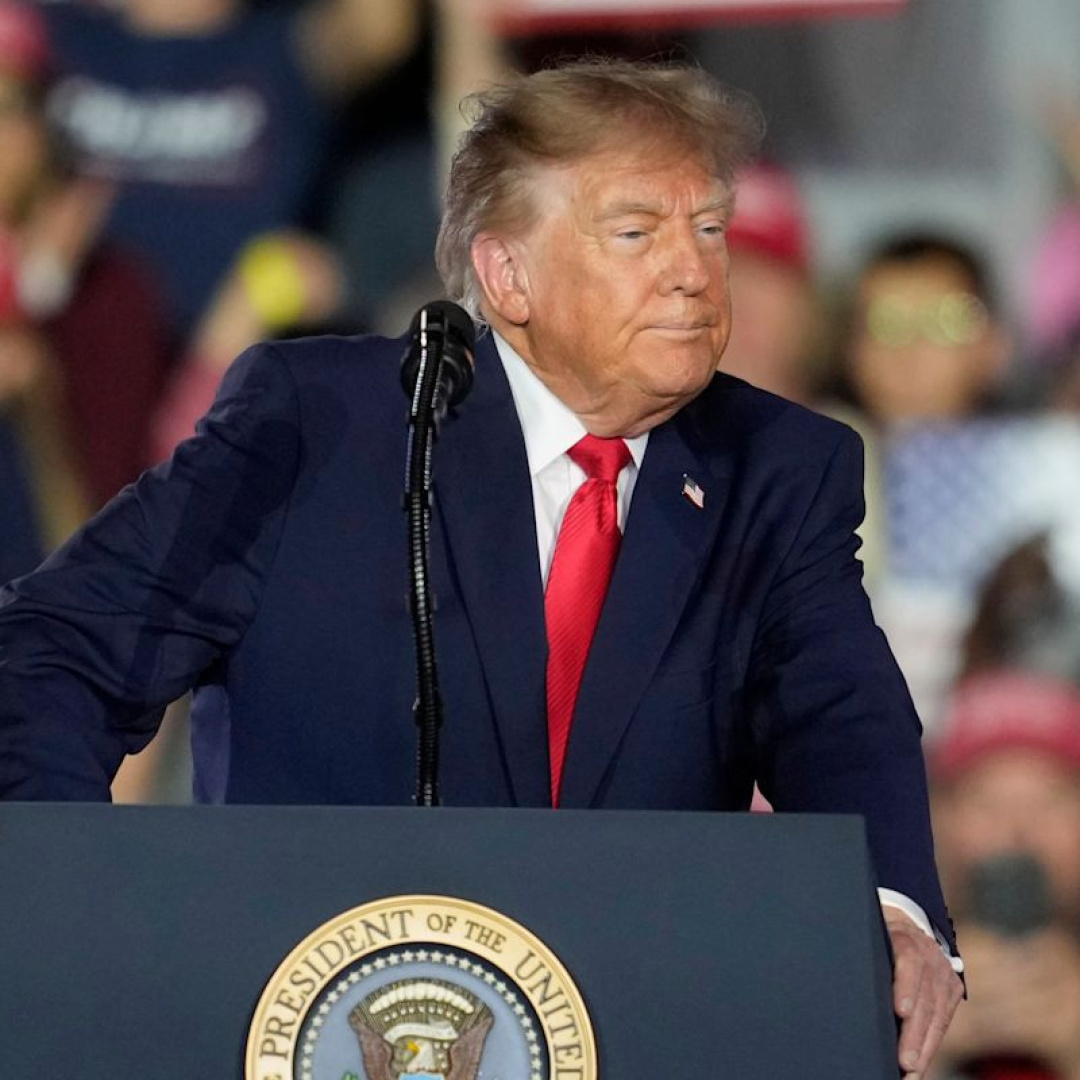
Democrats are pinning their hopes on El-Sayed, a progressive candidate advocating for policies like Medicare for All and the cessation of U.S. military aid to Israel. His willingness to confront both critics and the Democratic establishment positions him as a significant figure, aiming to become America's first Muslim senator. Meanwhile, Republicans have rallied behind Rogers, a former congressman who narrowly lost a Senate race to Democrat Elissa Slotkin two years ago. Rogers has distanced himself from President Trump on certain issues, such as tariffs and the conflict in Iran.
Common Sense Shop
The United States of Common Sense
Amazon shopping links. Sponsor Complete!
The race has been marred by controversies, the most notable being Rep. Haley Stevens' recent endorsement of Rogers. Stevens, who was El-Sayed's opponent in the primary, made her announcement after the two attended a church service together. In a video statement, she expressed her discontent with El-Sayed's campaign, stating, "Our Democratic nominee for Senate said I was no longer welcome in his campaign and that I should stay away. And he's right. And that's why I am endorsing Mike Rogers for the United States Senate today."
Stevens had previously indicated she would support El-Sayed, but tensions escalated when she urged him to condemn an outside group's advertisement linking U.S. support for Israel to rising grocery prices. Following this, El-Sayed's campaign requested that she not participate in their joint appearance, leading to her endorsement of Rogers. Stevens characterized her decision as a relief, noting that El-Sayed had become increasingly aggressive during the campaign.
The Michigan Democratic Party's chair, Curtis Hertel, expressed outrage over Stevens' endorsement, labeling it a betrayal. Stevens' fiancé, Jason Turkish, also stated his support for Rogers, citing concerns over El-Sayed's comments regarding Israel, which he argued had led to threats against Jewish community members. This endorsement has raised questions about the dynamics within the Democratic Party in Michigan, particularly as it relates to the Jewish community and their support for candidates.
Rogers' Strategy to Win Over Key Voters
As the election approaches, Rogers is making a concerted effort to appeal to demographics that previously supported Stevens, including Black and Jewish voters. In the August primary, Stevens won a significant majority in counties with large Black populations, which could be crucial for Rogers' strategy. Polls conducted in October show El-Sayed leading Rogers by margins ranging from 1 to 7 percentage points, but the endorsement's impact remains to be seen.
Rogers has also targeted older Michiganders, a demographic that typically leans Republican. El-Sayed's campaign strategy focuses on energizing anti-establishment voters, Arab Americans, and younger constituents, which has thus far kept him ahead in the polls. However, past polling inaccuracies raise doubts about El-Sayed's sustained lead, as seen in the close primary race against Stevens.
The Common Sense Test
The stakes are high in Michigan, a state that has swung between parties in recent elections. As the candidates prepare for the final stretch, the outcome remains uncertain, with both campaigns needing to navigate the complexities of voter sentiment and party alignment in a deeply divided electorate.
Rogers' outreach efforts to Stevens' supporters may prove pivotal in closing the gap on Election Day. The Michigan Senate race exemplifies the broader national struggle for control of the Senate, with both parties vying for every possible seat. As the election nears, the focus will be on how endorsements and party loyalty impact voter turnout and candidate viability. The dynamics of this race not only reflect local issues but also resonate with national conversations about party identity and electoral strategy in an increasingly polarized political landscape.