Catholic Bishops' Meeting with Trump Sparks Controversy
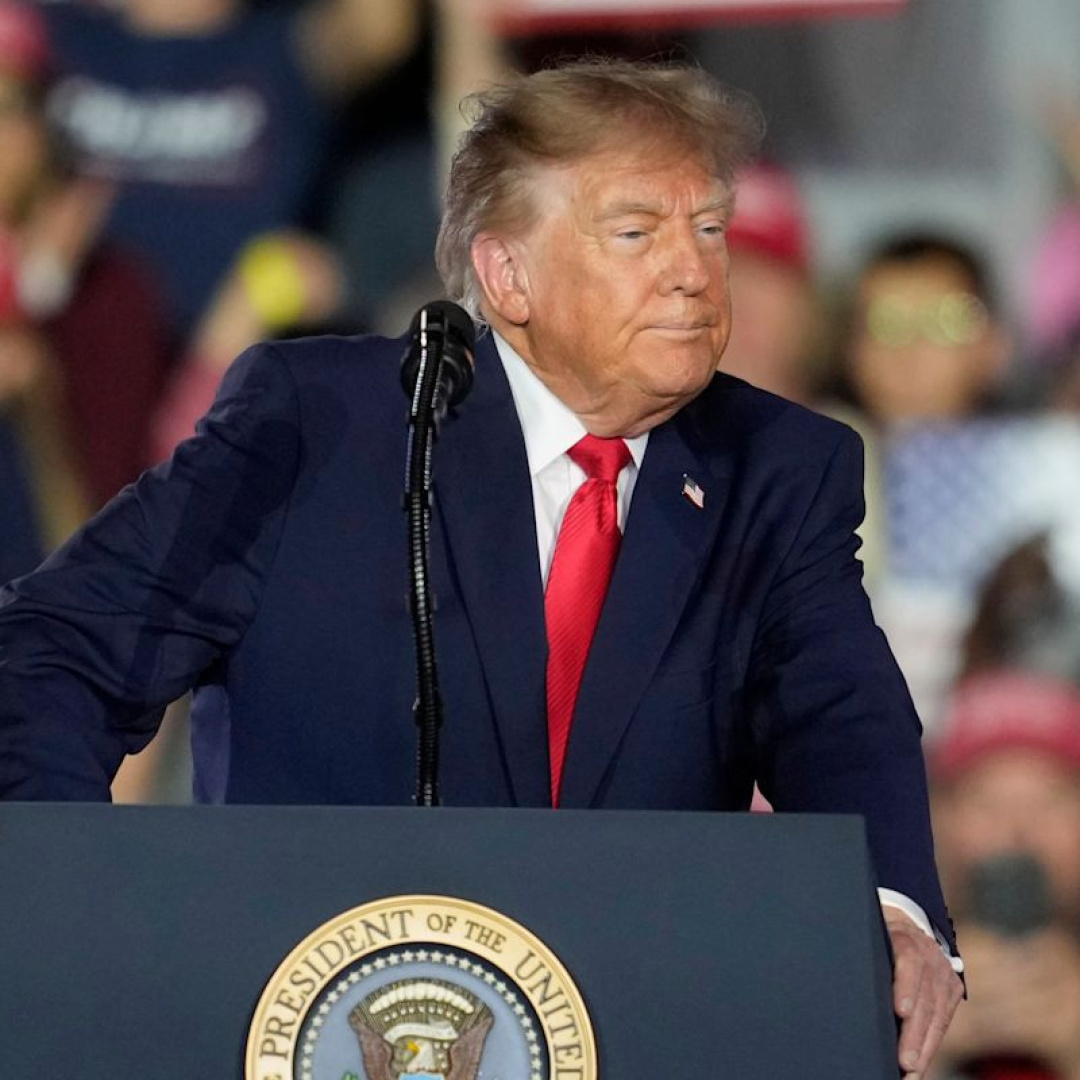
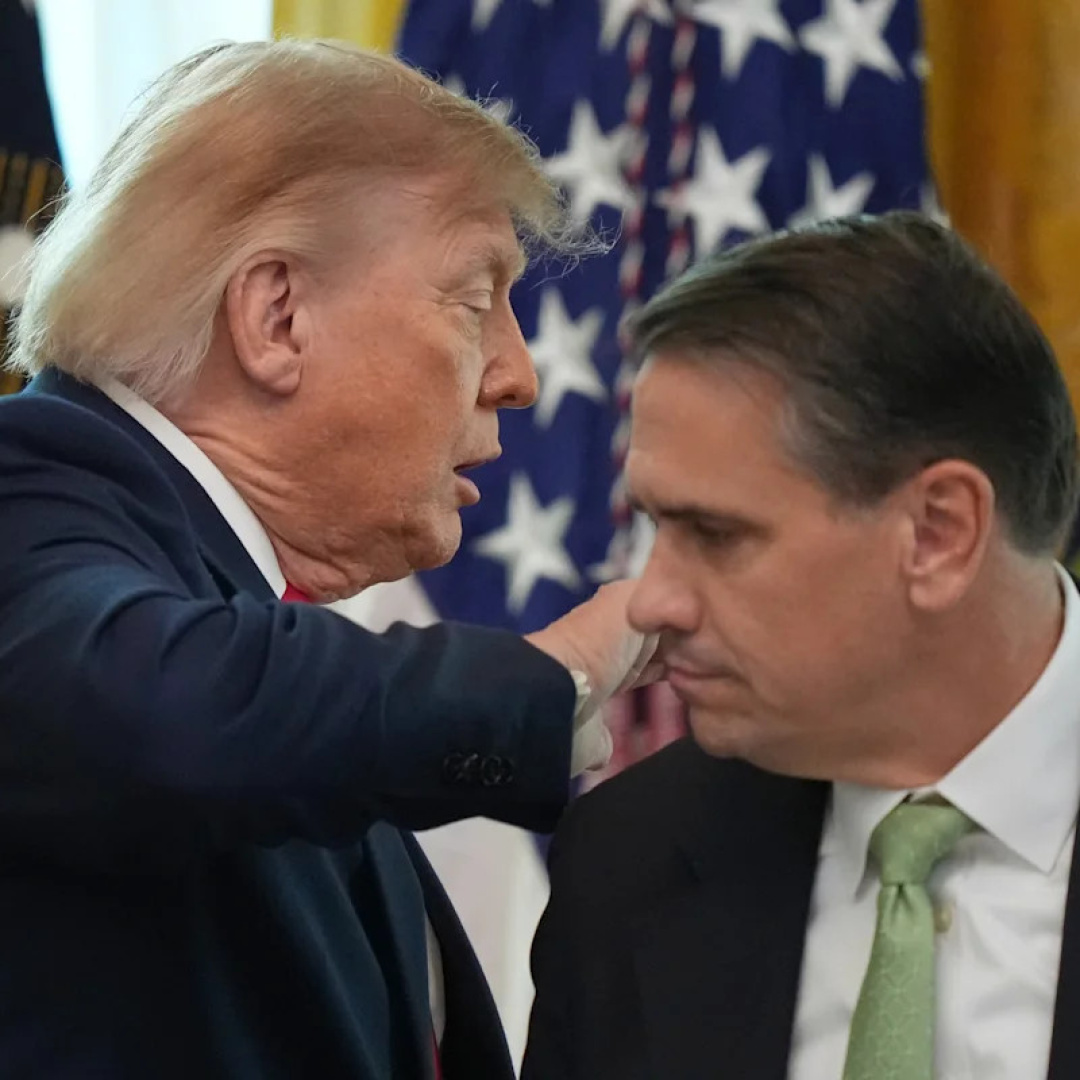
On October 22, a dozen Catholic bishops gathered in the Oval Office with President Trump to discuss various religious and social issues, including school choice, religious freedom, abortion, and immigration policies. This meeting, organized by the White House Faith Office, lasted for 90 minutes and culminated in a photo opportunity where the bishops were asked to bless Trump. This moment was later utilized in campaign materials, leading to accusations that the bishops were endorsing Trump just days before the midterm elections.
In the aftermath, several bishops voiced their discomfort, claiming their presence had been politically exploited. They clarified that their intent was not to endorse any candidate but to engage in meaningful discussions on issues of concern to the Catholic community.
Common Sense Shop
The United States of Common Sense
Amazon shopping links. Sponsor Complete!
Gustavo Arellano, a columnist for the Los Angeles Times, expressed disappointment that the bishops did not seize the opportunity to offer a more profound prayer for Trump. He referenced the teachings of Jesus regarding prayer, emphasizing humility and sincerity over public displays meant for political gain. Arellano's critique suggests that the bishops missed a chance to stand firm in their faith, instead participating in what he described as a photo op with a leader whose policies often contradict Christian values.
Arellano's proposed prayer for Trump reflects a deep concern for the moral direction of the country and the implications of Trump's leadership. He draws parallels between Trump and historical tyrants, urging voters to recognize the dangers of idolizing political figures who do not embody the principles of compassion and justice espoused in scripture. He calls for a collective repentance among voters who supported Trump, suggesting that many now regret their choices and seek a return to values that prioritize the marginalized and the foreigner, as instructed in biblical texts.
Bishops Face Criticism for Political Engagement
The backlash against the bishops was significant, leading to apologies from some who felt their actions could be misconstrued as political endorsement. Bishop William Joensen of Des Moines articulated a desire to adhere to the wisdom of Jesus, reminding voters to be discerning in their choices, particularly in the upcoming elections. This sentiment resonates with many Catholics who are grappling with the intersection of faith and politics in a deeply divided nation.
As the midterms approach, the role of religious leaders in political discourse remains contentious. The bishops' meeting with Trump serves as a reminder of the delicate balance between faith and political engagement. It raises important questions about the responsibilities of religious leaders in a time when their influence can be both powerful and polarizing.
The Common Sense Test
The ongoing dialogue about the role of faith in politics is crucial, especially as voters prepare to make decisions that will shape the future of the nation. Many are calling for a return to foundational values that prioritize community, compassion, and accountability. The bishops' meeting with Trump highlights the need for clarity in messaging and the importance of maintaining integrity in both faith and political engagement. As the election draws near, it is essential for voters to critically assess the candidates and their alignment with core values, ensuring that their choices reflect a commitment to the principles of justice and mercy that are central to the Christian faith.
Ultimately, the events surrounding the bishops' meeting with Trump serve as a litmus test for the intersection of faith and politics. Voters must navigate a landscape where political figures often claim religious affiliation while acting contrary to the teachings of their faith. The challenge lies in discerning genuine leadership from mere political theater. As the nation approaches the midterms, the call for accountability among leaders—both political and religious—becomes increasingly urgent. It is a time for reflection, prayer, and action, ensuring that the choices made at the ballot box align with the values that uphold a just and compassionate society.