Gulf States Urge De-Escalation Amid U.S.-Iran Tensions
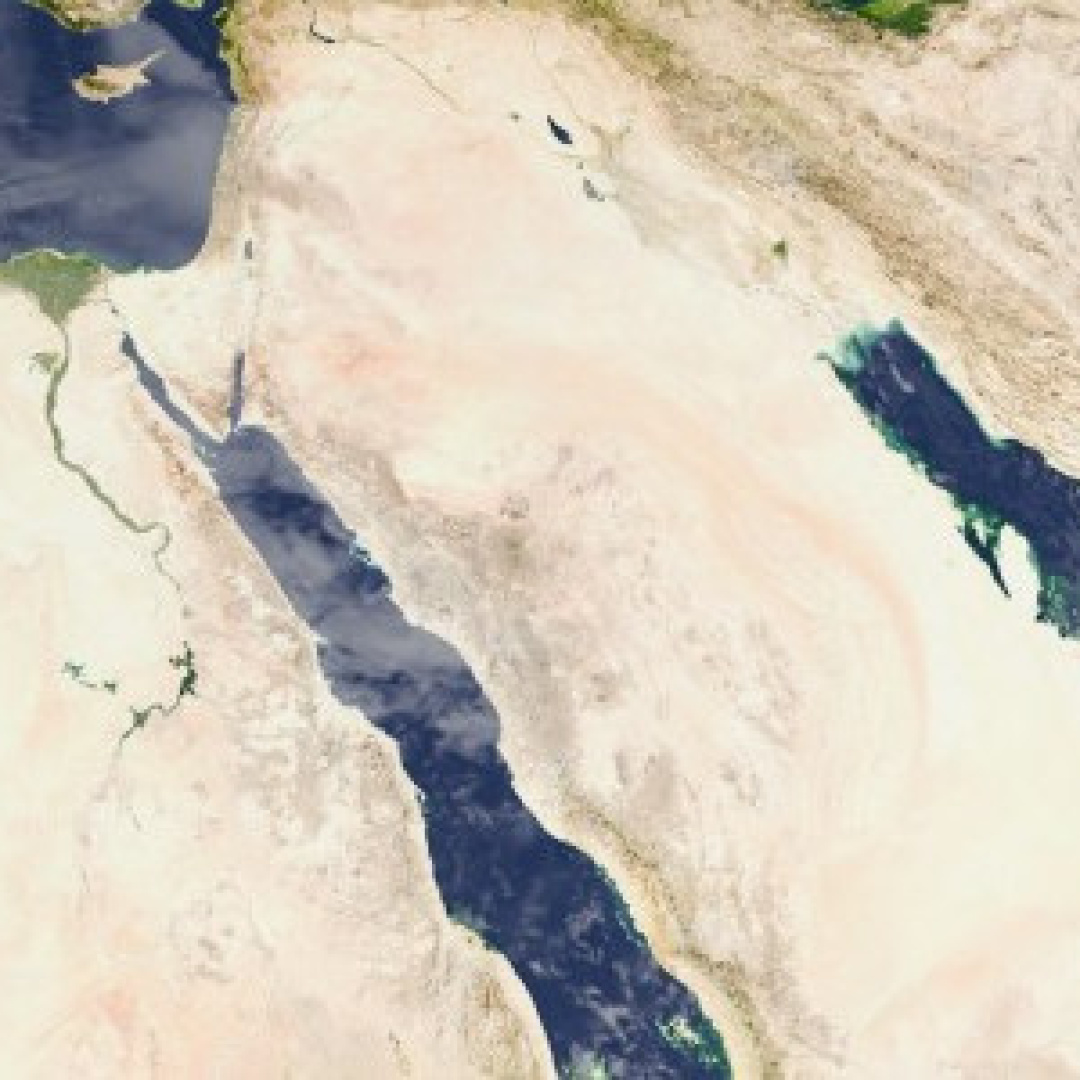
In the Persian Gulf, the possibility of U.S. military strikes on Iran has led to a palpable sense of anxiety among Gulf officials, who are intensifying their diplomatic efforts to navigate a precarious U.S.-Iran impasse. The region, which has historically borne the brunt of Iranian retaliation due to the presence of U.S. bases, is now on high alert as leaders publicly and privately advocate for de-escalation amidst rising tensions surrounding President Donald Trump's military plans.
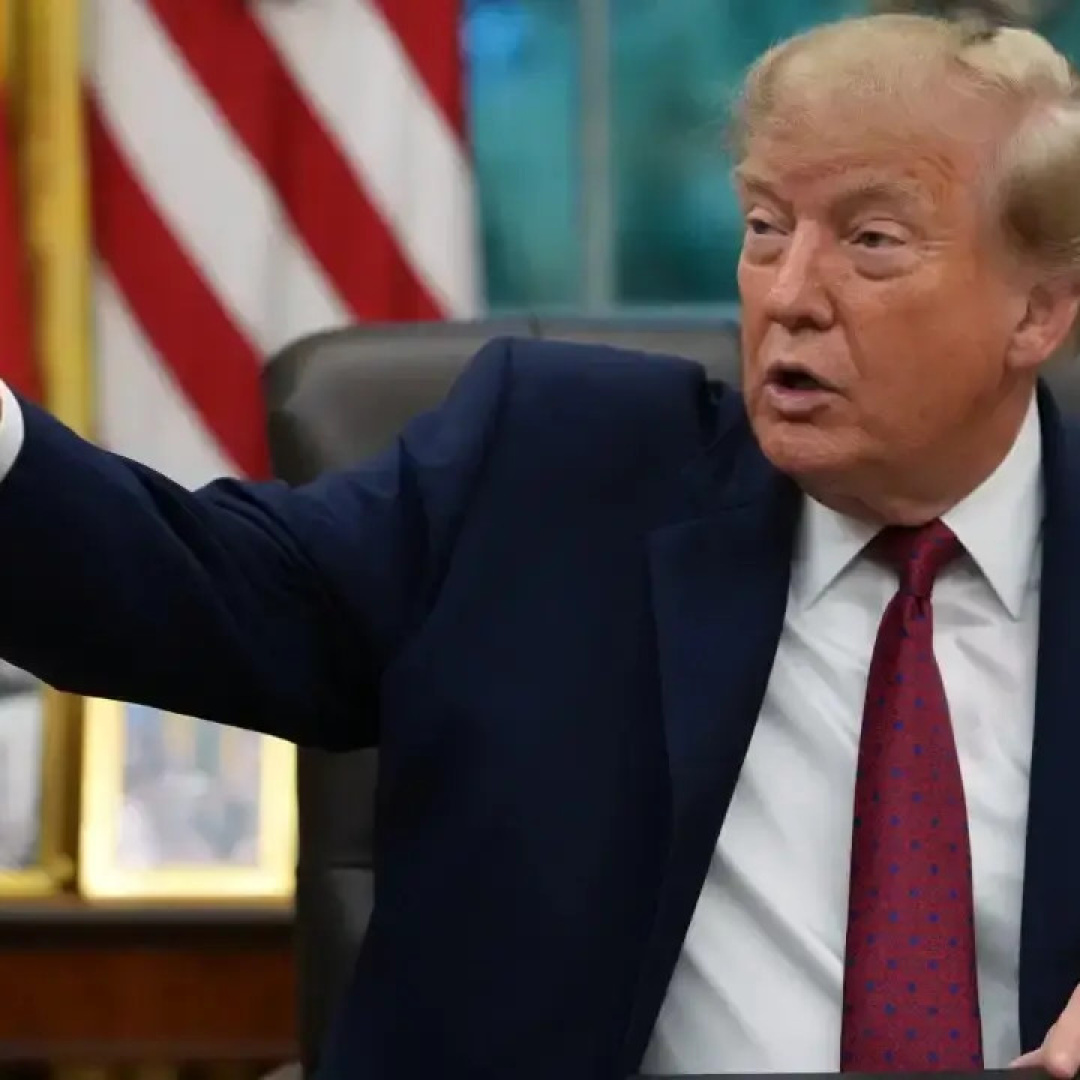
Mediators from Qatar have recently traveled to Tehran, engaging in what has been described as a "last-ditch effort" to broker an interim deal between Iran and the U.S. These discussions, reportedly coordinated with U.S. officials, underscore the urgency felt by Gulf nations to avert a conflict that could leave them vulnerable. Trump has shown a willingness to negotiate but has also indicated readiness to resume military action, creating a climate of uncertainty.
Common Sense Shop
The United States of Common Sense
Amazon shopping links. Sponsor Complete!
The stakes are particularly high as the midterm elections approach, with an Iranian official noting that the next few days could be crucial in determining the trajectory of U.S.-Iran relations. A White House spokesperson emphasized that the U.S. is in a strong position, citing gains in the strategically vital Strait of Hormuz and Iran's struggling economy.
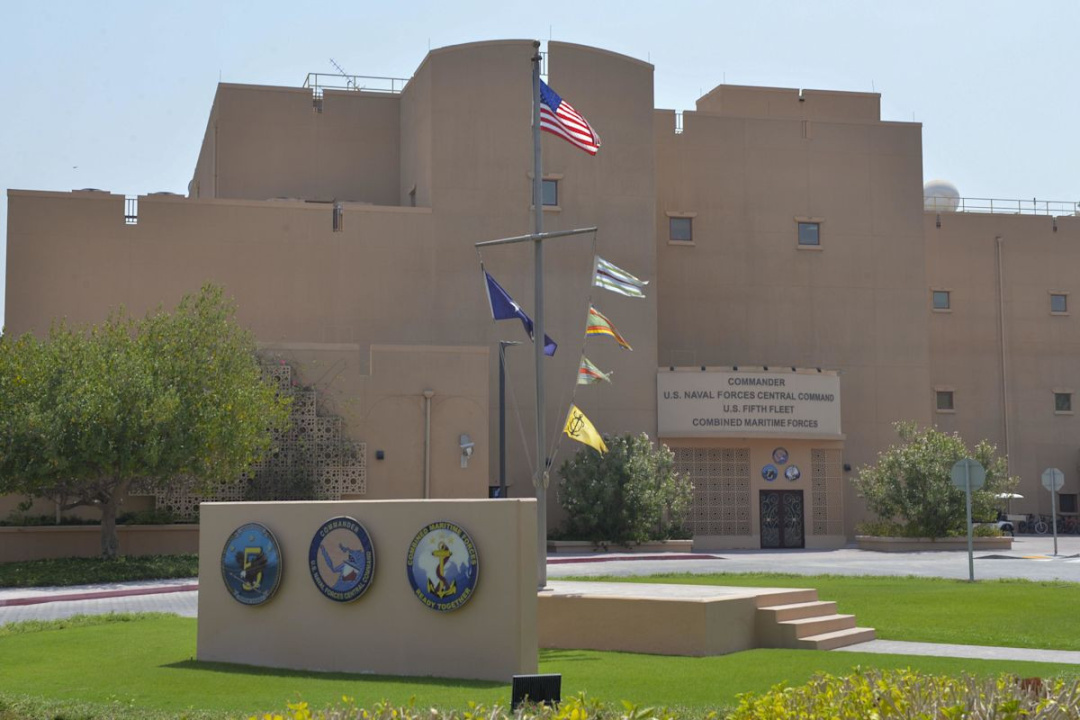
However, the atmosphere on the ground in the Gulf is one of fear and fatigue. In Bahrain, home to the U.S. Fifth Fleet, residents are bracing for potential drone and missile strikes, recalling the chaos of previous escalations. Local businesses have suffered as military families have evacuated, and citizens are stockpiling supplies in anticipation of conflict.
Many Bahrainis express disappointment in the U.S. military presence, which they had expected to provide security but now feels like a liability. The sentiment is echoed by local business owners who feel caught in a geopolitical struggle that they did not initiate.
Civilian Safety Amid Rising Tensions
Concerns are particularly acute regarding the potential targeting of civilian infrastructure should military action resume. U.S. Senator Chris Murphy has condemned plans for strikes on civilian targets as reckless, warning that such actions could lead to devastating consequences for the region.
The United Arab Emirates has called for intensified diplomatic efforts to contain tensions, while Omani officials advocate for a security pact that includes Iran and Iraq, highlighting the need for a cooperative approach to regional security.
The Common Sense Test
As Gulf nations bolster their defenses and diversify their military partnerships, the question remains: how will the U.S. navigate this complex landscape without further destabilizing an already volatile region? The Gulf states find themselves in a precarious position, balancing their long-standing reliance on U.S. security with the need to address their own vulnerabilities in the face of Iranian aggression.
As the situation develops, it is clear that the Gulf states are in a difficult position, caught between their expectations of U.S. support and the reality of their own security needs. The potential for renewed conflict with Iran poses a significant challenge not only to U.S. interests but also to the stability of the entire region. The ongoing diplomatic efforts will be crucial in determining whether a path to peace can be forged or if the region will once again be plunged into chaos.